HCMC Luxury Apartments: Sustainable Living Benchmark for Affluent Families

- 1. Defining Luxury Apartment Standards in Ho Chi Minh City
- 2. Legal Clarity: The Cornerstone of Investor Assurance
- 3. The Imperative of Sustainable Living and NALUX’s Philosophy
- 4. Pricing Landscape & Operational Considerations for Luxury Apartments in Ho Chi Minh City’s Prime Urban Corridors
- 5. Selecting a Reputable Developer
- 6. Frequently Asked Questions (FAQ)
Amidst Ho Chi Minh City’s rapid urbanisation, the demand for high-quality living spaces that offer tranquility, convenience, and long-term sustainability has become increasingly paramount for discerning individuals and affluent families. This article provides a comprehensive overview of the evolving standards, legal frameworks, and development trends within the luxury apartment sector in Ho Chi Minh City, with a particular emphasis on sustainable practices, thereby empowering our esteemed readers to make informed investment decisions.
1. Defining Luxury Apartment Standards in Ho Chi Minh City
1.1. Official Regulatory Standards for Class A (Luxury) Apartments
Vietnam’s regulatory framework for luxury apartments, particularly Circular 31/2016/TT-BXD issued by the Ministry of Construction, establishes specific requirements to ensure superior living quality and resident safety. These standards encompass construction density, minimum unit area, elevator ratios, and parking provisions.
| Technical Criterion | Class A (Luxury) Apartment | Class B (Mid-Range) Apartment |
|---|---|---|
| Construction Density | Below 45% (Prioritising green spaces) | From 45% to 55% |
| Apartment-to-Elevator Ratio | Maximum 40 apartments / 1 elevator | From 41 to 60 apartments / 1 elevator |
| Car Parking Provision | Minimum 01 covered car parking space / 1 apartment | Minimum 01 car parking space / 2 apartments |
| Apartment Corridor Width | Minimum 1.8 metres | Minimum 1.5 metres |
| Fire Safety & Security Systems | Automatic in-room fire alarm system, 3-tier security | Basic fire alarm system as per FSS regulations |
Adherence to these stringent regulations not only underscores a developer’s commitment but also serves as a pivotal factor in establishing enduring project value. A low construction density ensures expansive living spaces, abundant green areas, and minimised noise pollution. An optimal apartment-to-elevator ratio, ample parking provisions, and integrated ancillary amenities collectively cultivate a living environment defined by convenience, sophistication, and distinctiveness.
Below is a comparative table outlining key Class A apartment standards as per regulations:
| Criterion | Class A (Luxury) Apartment Regulation | Significance for Residents |
|---|---|---|
| Construction Density | Below 45% | Expansive living spaces, abundant greenery, reduced noise and air pollution. |
| Minimum Area | As per local regulations, typically from 45m² for a 1-bedroom apartment. | Ensures comfort and efficient functionality for each apartment type. |
| Elevator Ratio | Not exceeding 40 apartments/elevator | Minimises waiting times, facilitates convenient movement, especially during peak hours. |
| Car Parking Space | Minimum 1 covered car parking space/apartment | Ensures vehicle safety, protection from weather elements, and convenient access. |
| Internal Amenities | Diverse, high-quality (swimming pool, gym, park, children’s play area, 24/7 security…) | Enhances quality of life, fulfilling daily, recreational, and relaxation needs within the residence. |
1.2. The Imperative of Prime Location and Appreciation Potential
Location consistently remains the paramount determinant of real estate value and investment appreciation. Luxury apartments in Ho Chi Minh City are typically situated within prime urban corridors, boasting seamless connectivity to essential public amenities and vibrant commercial hubs.
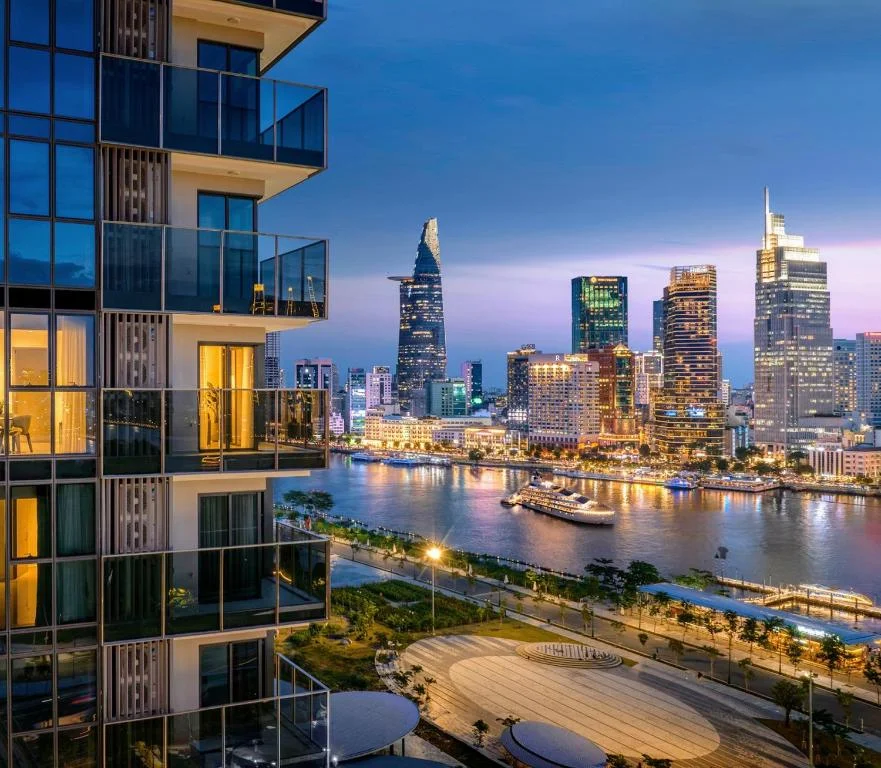
Districts such as Thu Thiem, Thao Dien, Ba Son, Phu My Hung, and other central precincts consistently maintain their allure due to meticulous urban planning, sophisticated residential communities, and robust long-term development prospects. The inherent scarcity of land in these coveted locations further amplifies the intrinsic value of luxury apartment developments, ensuring stable capital appreciation over time.
1.3. Exquisite Architectural Design and Sophisticated Interiors
Architectural design and interior aesthetics are definitive expressions of an owner’s discerning taste and elevated status. Luxury condominiums in Ho Chi Minh City meticulously attend to every detail, from optimising spatial flow and maximising natural light to incorporating premium, environmentally conscious materials.
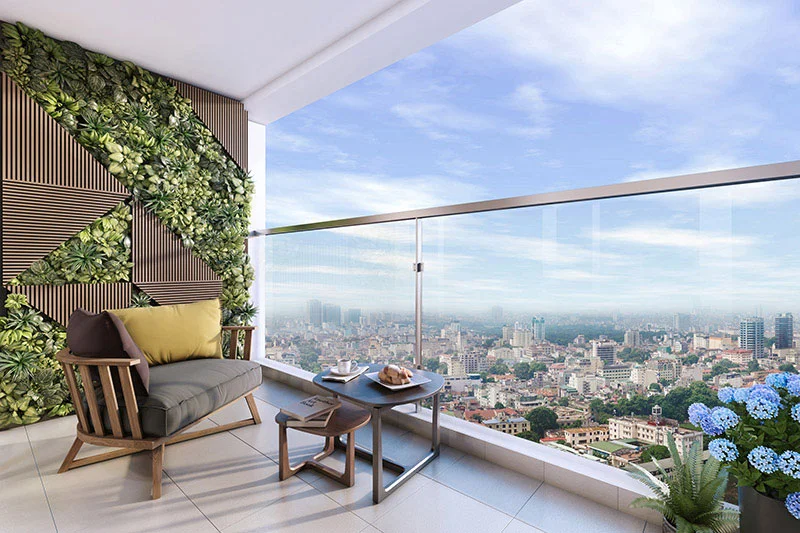
A diverse range of design philosophies, from contemporary minimalism to classical opulence, are carefully curated by developers to align with the refined preferences of the affluent demographic. Residences typically feature expansive vistas, generous balconies, and are appointed with bespoke interior finishes from renowned brands, culminating in a living environment that is convenient, distinguished, and profoundly inspiring.
2. Legal Clarity: The Cornerstone of Investor Assurance
A robust legal framework is paramount for securing investor confidence in Ho Chi Minh City’s luxury real estate market, particularly for off-plan properties. NALUX Development ensures meticulous adherence to five fundamental legal conditions, including the 1/500 Master Plan, Construction Permit, Foundation Completion Acceptance, Official Eligibility for Sale, and Commercial Bank Guarantees, safeguarding buyer interests and ensuring project transparency and developer accountability.
In the dynamic real estate market, transparent and comprehensive legal documentation is a paramount factor, especially concerning transactions for properties formed in the future. A thorough understanding of legal regulations empowers buyers to mitigate potential risks and protect their legitimate interests.
A reputable luxury apartment project must meticulously fulfill five fundamental legal conditions as stipulated by Vietnam’s Law on Real Estate Business. These serve as crucial assurances, demonstrating the developer’s transparency and responsibility, thereby instilling absolute confidence in clients as they make their investment or residency decisions.
2.1. The 1/500 Master Plan and Construction Permit
The 1/500 Detailed Master Plan is a comprehensive blueprint that meticulously outlines the project’s location, boundaries, land area, construction scale, transportation systems, technical infrastructure, and green spaces. This document forms the critical legal basis for project approval and the issuance of a Construction Permit.
A Construction Permit is an official document issued by the competent state authority to the developer, authorising the commencement of construction. The possession of both these documents unequivocally demonstrates that the project has received regulatory approval in terms of planning and legal compliance, ensuring adherence to all construction regulations.
2.2. Foundation Completion Acceptance Record
The Foundation Completion Acceptance Record is a prerequisite for the developer to be authorised to mobilise capital from buyers through sales contracts. This document certifies that the project’s foundation has been constructed in strict accordance with the approved design and technical standards.
The developer’s successful completion and acceptance of the foundation phase signify tangible construction progress, substantially mitigating risks of project delays or stagnation. This serves as a vital verification of the developer’s capabilities and unwavering commitment.
2.3. Official Document Certifying Eligibility for Sale of Off-Plan Properties
This is an official certification from the Ho Chi Minh City Department of Construction, confirming the project’s eligibility to raise capital and sell properties formed in the future. This document is issued only after the developer has completed the foundation work and submitted all requisite legal dossiers.
The possession of this official document provides a significant assurance from the state regulatory body, affirming that the project has met all necessary legal conditions to proceed with transactions. Buyers are advised to request a notarised copy or the original of this document for verification.
2.4. Commercial Bank Guarantee Letter
A commercial bank guarantee letter constitutes a financial commitment wherein a reputable bank undertakes to fulfill the developer’s financial obligations to the homebuyer, should the developer fail to perform or incompletely perform its commitment to hand over the property. This mechanism provides maximum financial protection for the buyer.
The involvement of a reputable bank in guaranteeing the project underscores the developer’s robust financial capacity and the financial institution’s confidence in the project’s viability. This represents a critical layer of financial safeguard, offering absolute peace of mind to buyers against any unforeseen contingencies.
3. The Imperative of Sustainable Living and NALUX’s Philosophy
Sustainable living has become a paramount standard in luxury real estate, driven by global environmental consciousness. NALUX Development embodies this through its ecological, human-centric philosophy, crafting not merely opulent residences but enduring values that foster healthy, tranquil lifestyles deeply connected to nature, ensuring positive contributions to both resident well-being and environmental preservation.
Amidst escalating climate change concerns and heightened environmental consciousness, the paradigm of sustainable living is emerging as a new benchmark within the luxury real estate sector. Developments are no longer solely focused on opulent amenities but are increasingly geared towards fostering communities that exist in harmony with nature, thereby mitigating adverse environmental impacts.
NALUX Development’s foundational philosophy—centred on ecological real estate, human-centric design, and enduring legacy—stands as a prime exemplar of this evolving trend. NALUX transcends the construction of mere architectural masterpieces; it cultivates enduring lifestyle values, where residents can thrive in health and tranquility, fostering a profound connection with the natural world.
3.1. Cultivating Biophilic Living Spaces and Environmental Stewardship
Luxury residences in Ho Chi Minh City embracing sustainable principles prioritise the deployment of environmentally benign construction materials, implement energy-efficient solutions (such as LED lighting systems and energy-saving electronic appliances), employ effective water management strategies (including rainwater harvesting and reuse systems), and meticulously optimise green spaces.
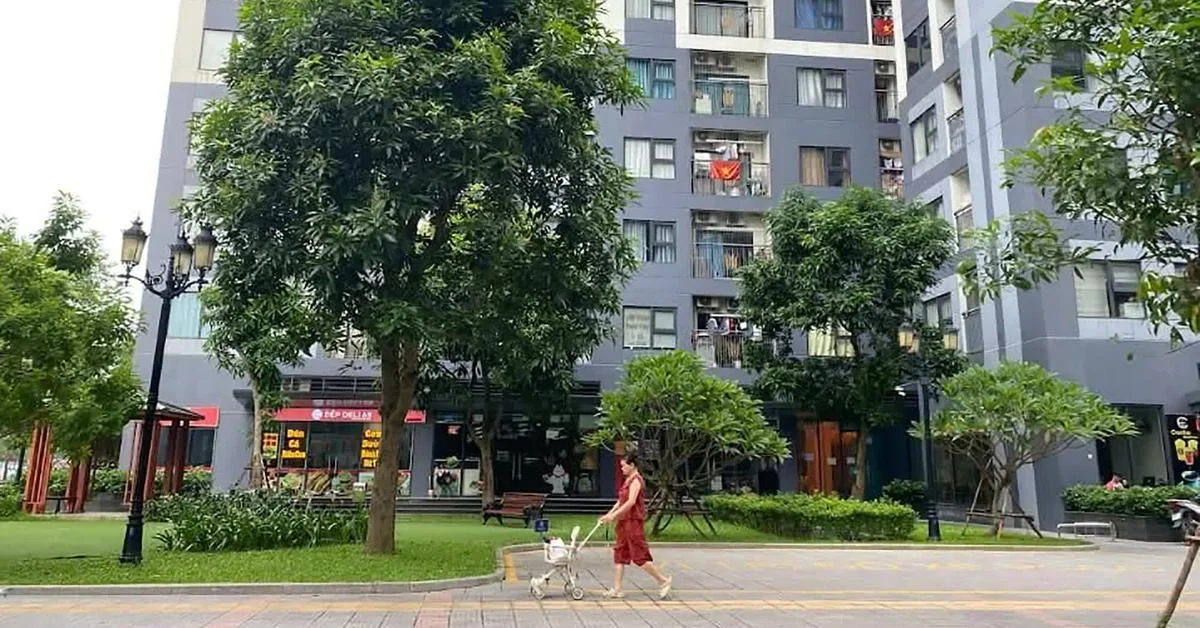
A high per capita ratio of verdant landscaping, integrated vertical gardens, expansive rooftop gardens, and public areas thoughtfully designed to harmonise with nature not only enhance aesthetic appeal but also significantly contribute to improved air quality, mitigate the urban heat island effect, and cultivate a pristine, serene living environment for residents.
3.2. Curated Amenities Fostering Community Well-being
Beyond conventional amenities such as swimming pools and fitness centres, NALUX and other esteemed developers place significant emphasis on cultivating community-centric amenities that actively promote holistic well-being and social cohesion. These encompass dedicated outdoor yoga and meditation zones, integrated jogging trails, sophisticated communal lounges, well-appointed libraries, international-standard children’s play areas, and comprehensive wellness services.
The thoughtful integration of these amenities not only elevates the residential experience but also contributes to the establishment of a refined, interconnected community where individuals can achieve comprehensive physical and mental development.
3.3. Professional and Sustainable Property Management
The enduring quality of life within a luxury apartment in Ho Chi Minh City is profoundly contingent upon the calibre of its property management. Professional management entities are instrumental in ensuring round-the-clock security, meticulous maintenance of technical systems, pristine landscape upkeep, and the efficient, professional delivery of all integrated amenity services.
NALUX Development places paramount importance on collaborating with leading property management firms, implementing advanced, environmentally conscious operational protocols designed to preserve asset value and ensure the utmost resident satisfaction over the long term.

4. Pricing Landscape & Operational Considerations for Luxury Apartments in Ho Chi Minh City’s Prime Urban Corridors
The luxury apartment market in Ho Chi Minh City exhibits diverse pricing and rental yields across its key urban corridors. Prime locations like Thu Thiem and District 1 command premium values, reflecting their strategic importance and limited supply. Understanding these dynamics is crucial for discerning investors seeking capital preservation and sustainable returns.
| Ho Chi Minh City Urban Sub-Region | Reference Price Range (USD/m²) | Estimated Rental Yield | Key Characteristics |
|---|---|---|---|
| Thu Thiem Area (Thu Duc City) | 4,800 – 10,000 USD/m² | 4.0% – 5.2%/annum | Emerging financial hub, international-standard grid planning |
| Thao Dien / An Phu (Eastern Corridor) | 3,400 – 6,000 USD/m² | 4.8% – 6.0%/annum | Established expatriate community, direct connectivity to Metro Line 1 |
| South Saigon (Phu My Hung) | 3,000 – 5,200 USD/m² | 4.5% – 5.5%/annum | Expansive green spaces, international schools, premier healthcare facilities |
| Ben Nghe / Ben Thanh (District 1) | 8,000 – 16,000 USD/m² | 3.5% – 4.5%/annum | Iconic trophy assets, exceptionally limited supply |
The luxury apartment market in Ho Chi Minh City consistently presents a compelling proposition for both discerning owner-occupiers and astute investors. The inherent scarcity of premium-grade supply, coupled with sustained demand, underpins a market landscape rich with potential.
The selection of a luxury apartment project transcends a mere asset acquisition; it represents an investment in an elevated quality of life. Factors such as prime location, legal clarity, developer repute, architectural design, curated amenities, and long-term capital appreciation potential must be meticulously evaluated to optimise returns and ensure enduring peace of mind.
4.1. Reference Pricing Framework and Yield Potential by Urban Sub-Region
Luxury apartment valuations in Ho Chi Minh City exhibit considerable variation, contingent upon location, project scale, developer brand equity, and broader market dynamics. Nevertheless, centrally located and meticulously planned urban enclaves consistently command premium pricing and demonstrate robust, stable growth potential.
Presented below is a reference framework for pricing and estimated annual yield potential across several prominent urban sub-regions in Ho Chi Minh City. It is important to note that these figures are indicative and subject to fluctuation based on specific project attributes and prevailing market conditions.
| Urban Sub-Region | Reference Price Range (USD/m²) | Estimated Annual Return (%) | Primary Value Appreciation Drivers |
|---|---|---|---|
| Thu Thiem (Thu Duc City) | 8,000 – 15,000+ | 8 – 12% | Emerging financial centre, integrated master planning, modern infrastructure, international-standard amenities. |
| Thao Dien (Thu Duc City) | 6,000 – 12,000+ | 7 – 10% | Established international community, abundant green spaces, exclusive enclave, premium amenities, robust security. |
| Ba Son (District 1) | 10,000 – 20,000+ | 9 – 13% | Prime central location, Saigon River frontage, superior transport connectivity, iconic luxury living. |
| Phu My Hung (District 7) | 4,000 – 8,000+ | 6 – 9% | Exemplary master-planned urban area, meticulously designed, sophisticated residential community, comprehensive amenities. |
| Eastern Corridor (Thu Duc City – areas adjacent to Thu Thiem) | 3,000 – 6,000+ | 7 – 10% | Significant infrastructure development potential, improving transport links, substantial room for capital appreciation. |
4.2. Advantages of Luxury Apartment Ownership
Ownership of a luxury apartment in Ho Chi Minh City confers a multitude of distinct advantages, extending beyond financial returns to encompass an elevated quality of life. These include robust legal clarity, sophisticated and secure living environments, a refined residential community, and sustainable capital appreciation potential.
For investors, luxury apartments represent a resilient and less volatile asset class, offering stable returns through rental income or strategic resale during favourable market cycles. For affluent families, they provide an ideal private sanctuary, reflecting discerning taste and fostering a profound sense of well-being and contentment.

5. Selecting a Reputable Developer
Selecting a reputable developer is paramount for luxury real estate investments. NALUX Development embodies this principle, demonstrating robust financial capacity, a proven track record, and an unwavering commitment to quality and timely delivery. Our ethos of sustainable development ensures we create enduring legacy assets that foster an elevated, human-centric lifestyle, providing unparalleled assurance to discerning investors.
The credibility of the developer is a cornerstone factor when considering the acquisition of a luxury apartment in Ho Chi Minh City. A developer with robust financial capacity, a proven track record of successful project delivery, and an unwavering commitment to quality and timely completion provides unparalleled assurance to discerning investors.
NALUX Development, guided by a philosophy of sustainable development, consistently prioritises construction excellence, client satisfaction, and enduring legacy value. We are committed to delivering real estate assets that not only meet the stringent benchmarks of luxury residential living but also cultivate an elevated, human-centric, and sustainable lifestyle for the community.
6. Frequently Asked Questions (FAQ)
This section addresses common inquiries regarding luxury real estate in Ho Chi Minh City, covering distinctions between premium and luxury residences, foreign ownership quotas (30%), typical monthly management fees (VND 15,000-40,000/m²/month), considerations for bank financing, and key factors for assessing rental potential, such as location, quality, and developer reputation.
Q: How does one distinguish between a premium-grade apartment and a luxury residence?
A: Premium-grade residences typically adhere to general Ministry of Construction standards regarding density, amenities, and security protocols. In contrast, luxury condominiums often transcend these benchmarks, distinguished by their exclusivity, bespoke designs from world-renowned architects, superlative materials, 24/7 personalized concierge services, and a significantly elevated price point, reflecting their unique value proposition.
Q: What is the current foreign ownership quota for premium apartments in Ho Chi Minh City?
A: Under current Vietnamese regulations, foreign nationals are permitted to own a maximum of 30% of the total units within a condominium project. This quota is frequently subscribed rapidly in premium developments situated in prime urban corridors of Ho Chi Minh City, underscoring their appeal to discerning international investors and expatriates.
Q: What are the typical monthly management fees (maintenance, service charges) for a premium apartment?
A: Monthly management fees for premium residences in Ho Chi Minh City typically range from VND 15,000 to VND 40,000 per square meter (exclusive of VAT), varying by developer and property management firm. These comprehensive fees cover the operational costs of communal amenities, technical system maintenance, robust security protocols, professional sanitation, and other bespoke services, ensuring a pristine and secure living environment.
Q: Is it advisable to use bank financing when investing in a premium apartment in Ho Chi Minh City?
A: The decision to leverage bank financing for a premium apartment investment in Ho Chi Minh City is contingent upon individual financial strategy. For projects demonstrating robust legal clarity and strong capital appreciation potential, judicious application of financial leverage can optimize returns. However, thorough consideration of one’s financial capacity and prevailing interest rates is paramount to ensure a sustainable and prudent investment approach.
Q: How can one assess the rental potential of a premium apartment?
A: Assessing rental potential for a premium apartment hinges on several factors: prime location (proximity to central business districts, international schools, and luxury retail), the intrinsic quality of the residence and its curated amenities, the developer’s established reputation, and prevailing market demand trends from international expatriates and affluent young families. Projects fostering an international residential community or situated within vibrant commercial corridors typically exhibit superior rental yield prospects.
NALUX Urban Research & Development Division
A dedicated team of market data analysts, biophilic architects, and luxury real estate legal appraisers at NALUX Development Corporation. All insights and forecasts are founded on verified master planning data and independent field audits.