Climate Resilient Cities: Crafting Sustainable Urban Futures in Vietnam
- 1. Defining and Understanding the Importance of a Climate Resilient City
- 2. Core Elements of a Climate Resilient City
- 3. The Sponge City Model: A Solution for Flood-Prone Urban Areas
- 4. Climate-Adaptive Urban Planning in Vietnam and HCMC
- 5. Criteria for Selecting Real Estate in a Climate Resilient City
- 6. Frequently Asked Questions (FAQ)
Global climate change presents unprecedented challenges for urban centers worldwide, particularly high-density, complex cities like Ho Chi Minh City (HCMC). In this context, the concept of a climate resilient city has emerged as a guiding principle for sustainable urban planning and development. This is not merely a trend but an urgent imperative to ensure the safety, prosperity, and quality of life for future residents.
1. Defining and Understanding the Importance of a Climate Resilient City
A climate resilient city is an urban area designed, planned, and managed to withstand, adapt to, and rapidly recover from the adverse impacts of climate change, such as floods, droughts, storms, heatwaves, and rising sea levels.
The importance of a climate resilient city cannot be overstated in the current climate. Extreme weather events are increasing in frequency and intensity, causing severe damage to lives, property, and economies. A highly resilient city minimizes these risks, ensuring economic and social stability and maintaining a high quality of life for its residents. For affluent families and investors in HCMC, understanding and investing in climate-resilient projects is not only a responsible action but also a strategic decision for long-term capital preservation and optimized returns.
2. Core Elements of a Climate Resilient City
To become a climate resilient city, an urban area needs to integrate various elements, from planning and infrastructure to management and community engagement.
The core elements that constitute a climate resilient city include green and sustainable infrastructure, effective early warning and emergency response systems, intelligent land-use planning, policies promoting green lifestyles, and community participation. Harmonizing these elements creates an urban environment that is not only safe from climate change impacts but also offers a high quality of life, attracts investment, and fosters sustainable development.
2.1. Green and Sustainable Infrastructure
This is the most crucial foundation. It involves developing green open spaces, parks, sustainable drainage systems (such as the Sponge City model), using eco-friendly building materials, and integrating renewable energy sources.
2.2. Intelligent Land-Use Planning
Planning must consider climate risk factors, limit construction in vulnerable areas (such as low-lying regions, riverbanks), and prioritize the development of residential and commercial zones in safer locations. The TOD (Transit-Oriented Development) model can also integrate climate resilience by focusing development around public transport corridors, reducing reliance on private vehicles.
2.3. Early Warning and Emergency Response Systems
Investing in technology and processes for forecasting and early warning of extreme weather events, while also developing effective response plans to ensure public safety and minimize damage.
2.4. Enhancing Awareness and Community Participation
Education, communication, and encouraging residents to participate in environmental protection and climate adaptation activities are key factors in building a truly resilient community.
3. The Sponge City Model: A Solution for Flood-Prone Urban Areas
The Sponge City model is an advanced urban planning strategy focused on sustainable stormwater management, enabling cities to absorb, store, filter, and reuse rainwater, thereby mitigating flooding and limiting the impacts of inundation.
The Sponge City model plays a pivotal role in building a climate resilient city, especially in coastal cities with intricate river systems like HCMC. By integrating natural and engineered solutions, this model helps the city ‘breathe’ rainwater, reduces pressure on artificial drainage systems, improves water quality, and creates lush green urban landscapes, contributing to an enhanced quality of life for residents.
3.1. Operating Principles
Sponge City operates on the principle of mimicking nature’s water absorption capabilities. Key elements include:
- Permeable surfaces: Utilizing paving materials for roads, sidewalks, and gardens with high water permeability.
- Green spaces and water features: Increasing green areas, regulating lakes, ponds, and artificial streams to store and purify rainwater.
- Sustainable drainage systems: Designing drainage systems that combine natural and artificial elements, capable of regulating water flow.
- Rainwater reuse: Collecting and treating rainwater for irrigation, sanitation, or other non-potable purposes.
3.2. Benefits of the Sponge City Model
Implementing the Sponge City model offers numerous practical benefits:
- Reduced flooding: Absorbs and regulates large volumes of rainwater, reducing pressure on drainage systems and mitigating urban flooding.
- Improved water quality: Natural elements like vegetation and soil help filter out pollutants from rainwater.
- Groundwater replenishment: Rainwater infiltration replenishes groundwater sources, maintaining stable groundwater levels.
- Enhanced biodiversity: Green spaces and water features create habitats for various species.
- Improved urban aesthetics: Creates green, cool living spaces, enhancing urban beauty and quality of life.
3.3. Global Projects Adopting the Sponge City Model
Many cities worldwide have pioneered the Sponge City model and achieved positive results:
| City | Country | Main Solutions | Results |
|---|---|---|---|
| Shanghai | China | Floodable parks, green roofs, permeable pavements | Reduced localized flooding by 80% |
| Copenhagen | Denmark | Water-regulating parks, green streets | Minimized flood damage, improved air quality |
| Singapore | Singapore | Rainwater harvesting systems, riverside parks | Enhanced water storage capacity, reduced water pollution |
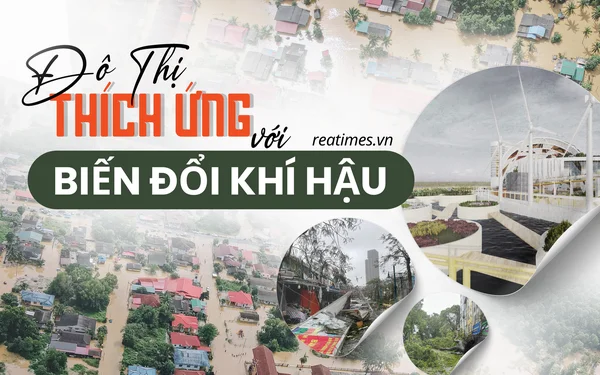
4. Climate-Adaptive Urban Planning in Vietnam and HCMC
Vietnam, with its long coastline and diverse topography, is one of the countries most severely affected by climate change. HCMC, with its low-lying geographical position, high population density, and complex river system, faces distinct risks such as flooding, saltwater intrusion, and rising sea levels.
Building a climate resilient city in Vietnam, particularly HCMC, requires a comprehensive and systematic climate-adaptive urban planning strategy. This not only includes technical and infrastructural solutions but also necessitates a shift in development mindset, urban management, and active participation from the business community and residents to collectively build a sustainable future.
4.1. Specific Challenges for HCMC
HCMC is currently facing:
- Flooding due to high tides and heavy rains: Overloaded drainage systems, combined with rapid urbanization, reduce natural absorption capacity.
- Sea-level rise and saltwater intrusion: Affecting domestic and agricultural water sources, especially in coastal districts.
- Heatwaves: Rising temperatures impact health and energy consumption.
- Lack of green spaces: Low per capita green space ratio, reducing climate regulation capacity.
4.2. Climate-Adaptive Urban Planning Efforts
The government and HCMC authorities have been implementing numerous policies and projects to enhance climate resilience:
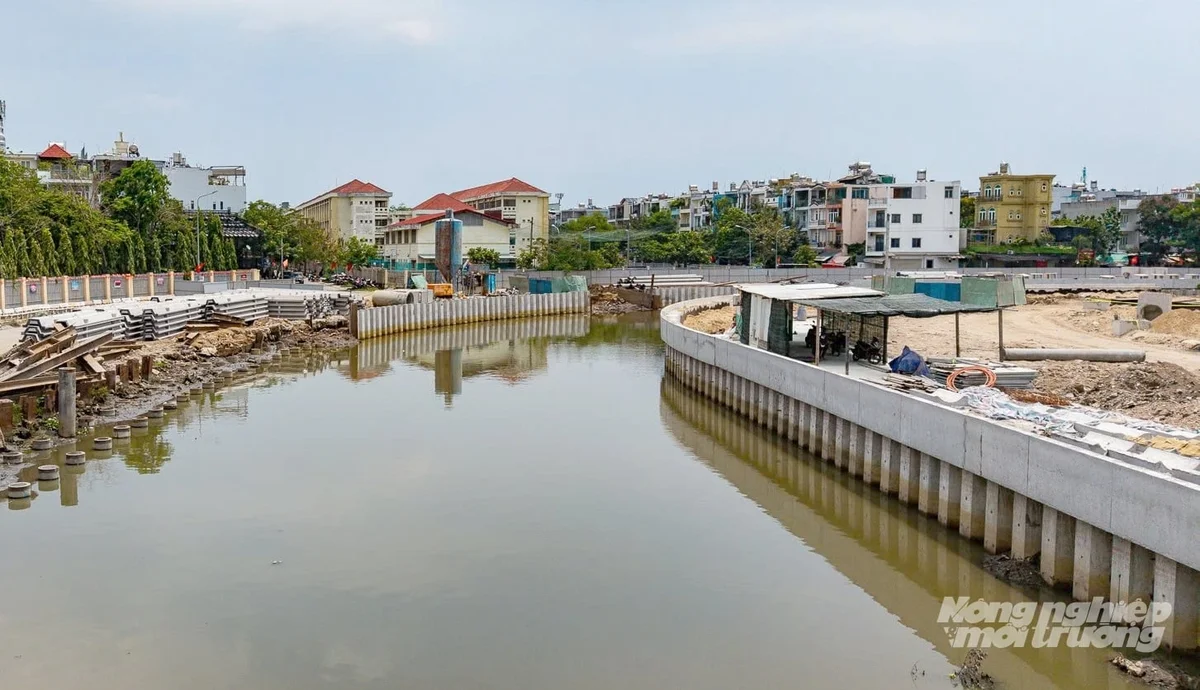
- Anti-flooding programs: Investing in drainage systems, regulating lakes, and embankments.
- Green infrastructure development: Increasing park and green space areas, encouraging projects with Healthy Building and Wellness elements.
- Underground space planning and water adaptation: Researching innovative planning solutions to cope with flooding.
- Clean energy policies: Encouraging the use of renewable energy, aiming for Net Zero targets.
4.3. The Role of Investors and Affluent Families
Investors and affluent families play a crucial role in fostering the development of a climate resilient city. Choosing to invest in real estate projects with climate resilience features, adopting ESG (Environmental, Social, and Governance) standards, and embracing sustainable lifestyles not only contributes to environmental protection but also yields sustainable added value for assets.
5. Criteria for Selecting Real Estate in a Climate Resilient City
When selecting real estate in HCMC, investors and affluent families should prioritize projects that clearly demonstrate the characteristics of a climate resilient city. This not only ensures safety and quality of life but is also a critical factor for future asset value appreciation.
Selecting real estate in a climate resilient city requires clear criteria and objective assessment of a project’s adaptability to potential climate risks. Factors such as location, design, amenity infrastructure, and the developer’s commitment to sustainable development will be crucial indicators for smart, long-term investment decisions.
5.1. Geographical Location and Disaster Resilience
Prioritize projects located in elevated areas with low risk of flooding or landslides. Thoroughly research the project area’s drainage and disaster prevention plans.
5.2. Sustainable Design and Energy Efficiency
Projects that apply Healthy Building standards, use eco-friendly materials, feature natural ventilation design, optimize natural light, and integrate energy-saving solutions (such as solar panels, smart building management systems) will have lower operating costs and a better quality of life.
5.3. Amenity Infrastructure for Green Living
Amenities such as expansive green spaces, waste recycling areas, rainwater management systems, and services supporting sustainable living (like community gardens, electric vehicle charging stations) are significant advantages.
5.4. Developer Reputation and Commitment
Research the developer’s experience, financial capacity, and commitments to sustainable development. Developers with a long-term vision and who execute projects according to ESG standards often deliver more sustainable value.
5.5. Potential for Value Appreciation
Real estate projects in well-planned areas with strong climate resilience typically have more stable and sustainable long-term value appreciation potential, attracting both owner-occupiers and investors.
6. Frequently Asked Questions (FAQ)
1. How can I identify a real estate project with climate resilient features?
You should research the project’s location (elevation above sea level, flood risk area), building materials, architectural design (optimized light, natural ventilation), amenity systems (green spaces, regulating lakes, water management systems), and green certifications (if any). The developer’s reputation and commitment to sustainable development are also crucial factors.
2. What are the benefits for investors in climate resilient real estate?
Investors can benefit from reduced asset risks due to natural disasters, lower operating costs (due to energy and water savings), stable and sustainable long-term asset value appreciation potential, and alignment with responsible and sustainable investment trends.
3. Is the Sponge City model suitable for HCMC’s conditions?
Absolutely. Given HCMC’s low-lying geography, numerous rivers and canals, and significant impact from high tides and heavy rains, the Sponge City model, with solutions like floodable parks, green roofs, permeable pavements, and sustainable drainage systems, is highly necessary to address flooding and enhance climate resilience.
4. How do ESG factors influence the value of climate resilient real estate?
ESG (Environmental, Social, Governance) factors are increasingly important. Real estate meeting high ESG standards typically has lower operating costs, attracts environmentally and socially conscious tenants and buyers, thereby increasing its value and market liquidity.
5. How can my family contribute to building a climate resilient city?
Your family can contribute by practicing a green lifestyle (saving energy, water, waste sorting), prioritizing public transport or electric vehicles, planting trees at home, participating in community environmental protection activities, and choosing products and services from businesses committed to sustainable development.

NALUX Urban Research & Development Division
A dedicated team of market data analysts, biophilic architects, and luxury real estate legal appraisers at NALUX Development Corporation. All insights and forecasts are founded on verified master planning data and independent field audits.