Green Building Standards: Curating Sustainable & Biophilic Apartment Living
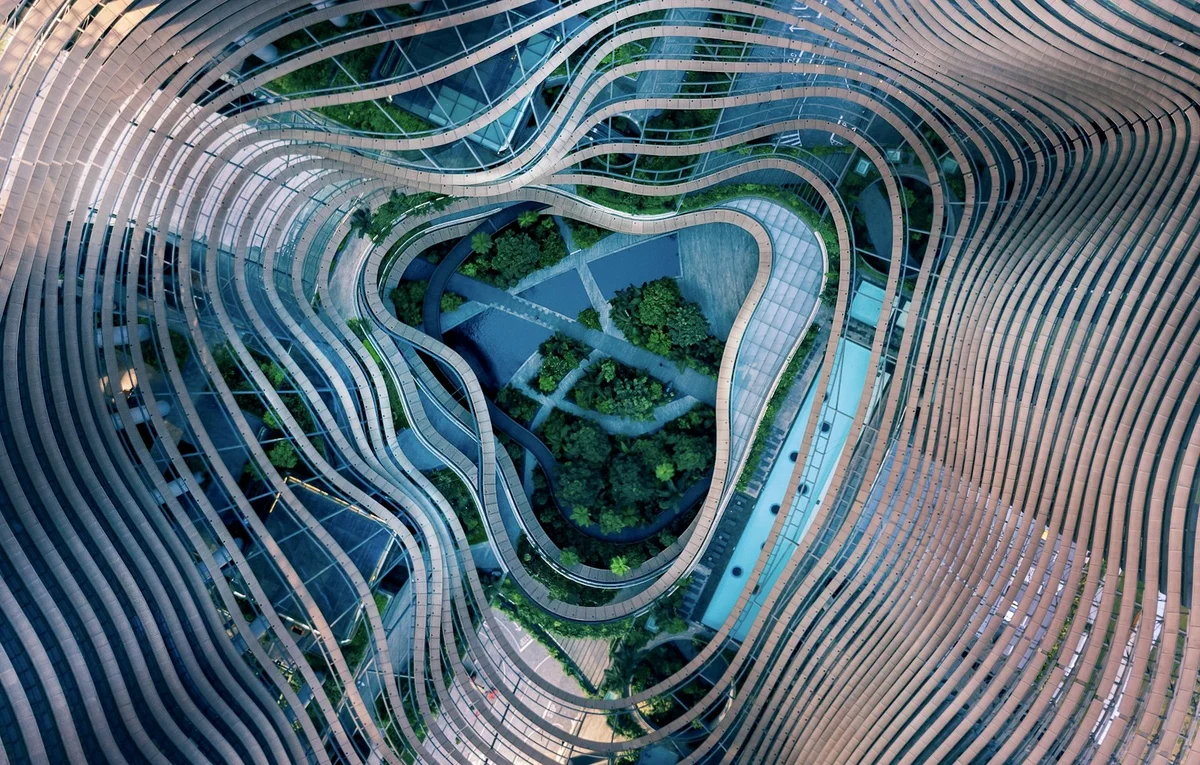
- Green Building Standards for Apartments: The Foundation of Sustainable Architecture
- Biophilic Apartments: Where Nature Harmonizes with Urban Living
- The Landscape of Green Apartment Projects in Ho Chi Minh City
- Economic Benefits and Investment Value of Green Apartments
- Challenges and Prospects for Green Apartment Development in HCMC
- Conclusion
- Frequently Asked Questions (FAQ)
In an era of rapid urbanization and global climate change, the development of green buildings, particularly apartments, has transitioned from an option to an imperative. Green building standards such as LEED and LOTUS serve as crucial guiding principles, shaping sustainable living values and fostering biophilic (human-centered ecological) living spaces for urban residents. This article delves into these standards, assessing the potential and current landscape of green apartment projects in Ho Chi Minh City, offering a multifaceted perspective for affluent families and discerning investors.
Green Building Standards for Apartments: The Foundation of Sustainable Architecture
Green building standards for apartments comprise a set of regulations and guidelines designed to optimize resource efficiency, minimize negative environmental impacts, and enhance the quality of the indoor living environment. Certifications like LEED and LOTUS demonstrate a developer’s commitment to creating living spaces that are environmentally friendly and human-centric, delivering sustainable value to the community.
LEED (Leadership in Energy and Environmental Design): A Global Benchmark
Developed by the U.S. Green Building Council (USGBC), LEED is the most widely recognized green building certification system globally. It assesses a building’s performance across various categories, from design to operation, ensuring a healthy, efficient, and sustainable living and working environment.
- Location and Transportation: Encourages development in areas with existing infrastructure, close to public transportation, reducing the need for private vehicle use.
- Sustainable Sites: Minimizes impact on natural ecosystems, effective stormwater management, reduction of urban heat island effect.
- Water Efficiency: Designs water-saving systems, wastewater reuse, and uses native, drought-tolerant landscaping.
- Energy and Atmosphere: Optimizes energy performance, utilizes renewable energy, and reduces greenhouse gas emissions.
- Materials and Resources: Prioritizes recycled, local, and low-carbon materials, minimizing construction waste.
- Indoor Environmental Quality: Ensures indoor air quality, natural light, thermal and acoustic comfort, and uses non-toxic materials.
- Innovation: Encourages creative solutions that exceed standard requirements.
- Regional Priority: Addresses specific environmental concerns of particular geographic regions.
LOTUS: Vietnam’s Bespoke Green Building Standard
Developed by the Vietnam Green Building Council (VGBC), LOTUS is a certification system specifically tailored to suit Vietnam’s climate, economic, and social conditions. LOTUS not only inherits core green building principles but also adapts them to optimize efficiency and feasibility within the local context.
- Energy: Optimizes energy performance through passive design, efficient HVAC systems, and renewable energy use.
- Water: Minimizes water consumption, reuses rainwater and treated wastewater.
- Materials: Prioritizes eco-friendly, recycled, local, and sustainable lifecycle materials.
- Health and Comfort: Ensures indoor air quality, natural light, thermal and acoustic comfort, and non-toxic materials.
- Site and Environment: Minimizes impact on the natural environment, manages stormwater, and protects biodiversity.
- Management: Implements sustainable construction and operational management processes.
- Innovation: Encourages outstanding innovative solutions.
Both LEED and LOTUS offer various certification levels (Certified, Silver, Gold, Platinum), reflecting the building’s degree of compliance and sustainable performance. Achieving these certifications not only enhances brand value but also delivers tangible economic and environmental benefits.
Biophilic Apartments: Where Nature Harmonizes with Urban Living
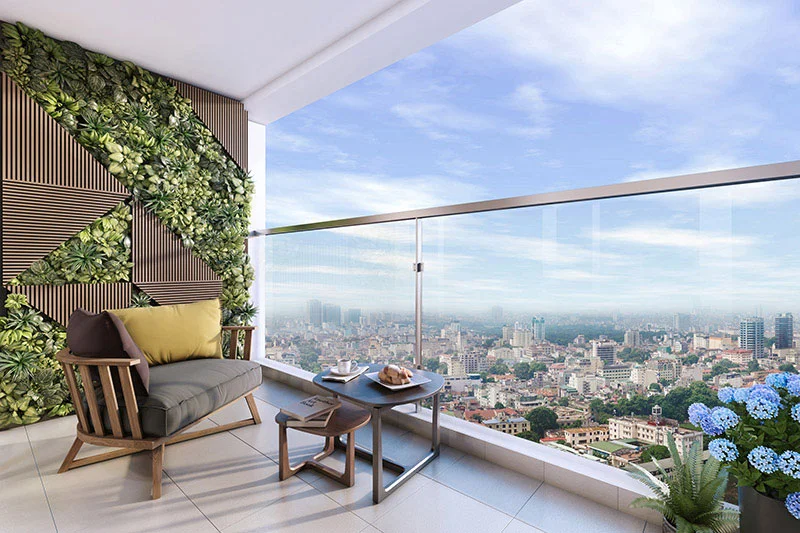
Biophilic apartments are living spaces designed based on the principle of Biophilia, the innate human tendency to connect with nature and other living systems. This goes beyond merely adding greenery; it involves the deep integration of natural elements into architecture and interiors to improve residents’ health, well-being, and productivity.
Core Values of Biophilic Design
Biophilic design in apartments focuses on creating a harmonious living environment where humans can experience the presence of nature both directly and indirectly. Key elements include:
- Direct Connection to Nature: Incorporating plants, vertical gardens, rooftop gardens, water features, natural light, and natural ventilation. For example, apartments with spacious balconies, large loggias designed for planting, or private rooftop gardens.
- Indirect Connection to Nature: Utilizing natural materials (wood, stone), colors and patterns mimicking nature, natural images and sounds, open spaces, and views of green landscapes.
- Spatial and Place Experience: Creating diverse spaces with transitions between private and communal areas, encouraging exploration and interaction with the surrounding environment.
Benefits of Biophilic Apartments for Residents
Scientific studies have shown that living in a biophilic environment offers significant benefits:
- Improved Physical Health: Reduces blood pressure, heart rate, stress, and boosts the immune system. Cleaner air due to plants filtering dust and producing oxygen.
- Enhanced Mental Well-being: Decreases anxiety, depression, increases concentration, creativity, and feelings of happiness. Views of nature aid relaxation and mental restoration.
- Increased Social Interaction: Communal green spaces and community gardens encourage interaction among residents, fostering a cohesive community.
- Energy Savings: Biophilic design often aligns with sustainable solutions like natural ventilation and daylighting, helping reduce electricity costs.
The Landscape of Green Apartment Projects in Ho Chi Minh City
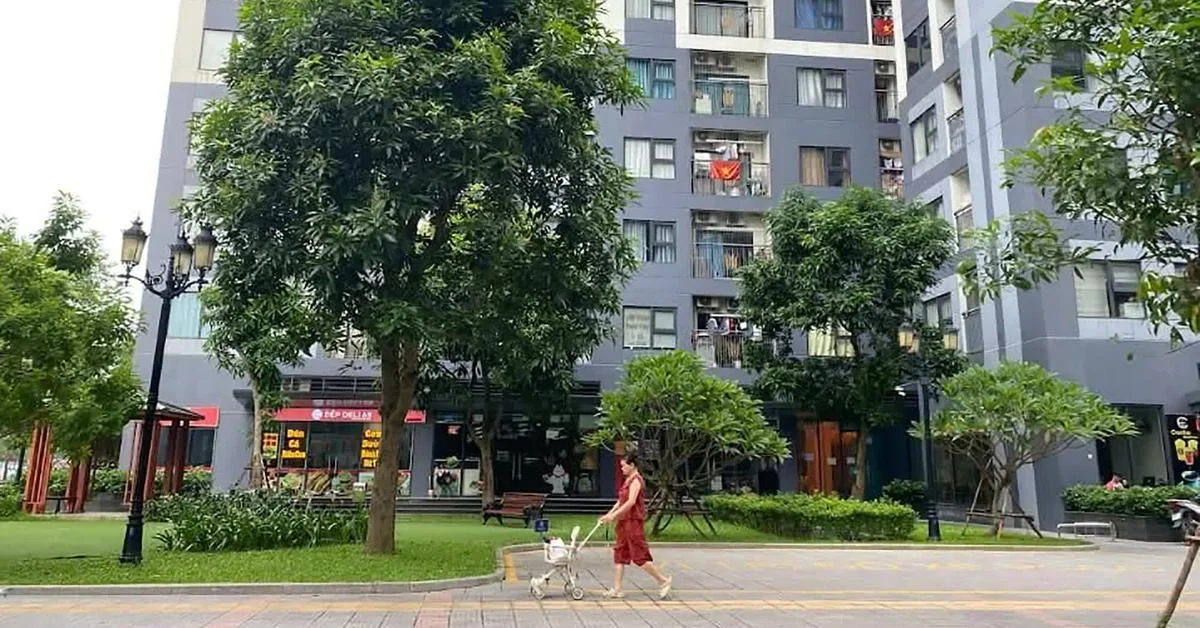
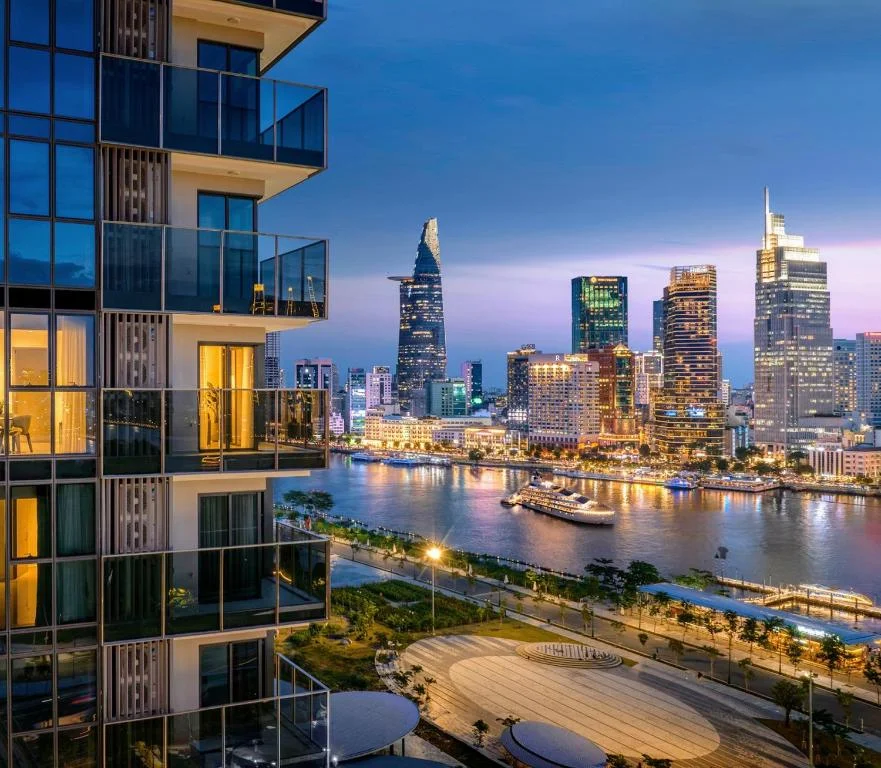
Ho Chi Minh City is witnessing a significant increase in green apartment projects, reflecting a trend towards sustainable development and growing market demand. However, the extent of LEED and LOTUS standard adoption still varies among developers.
Notable Projects Achieving Green Building Standards
Several projects in HCMC have pioneered the adoption of green building standards, providing high-quality living spaces for residents:
- The Ascent – Thao Dien Condominiums (District 2, now Thu Duc City): This is one of Vietnam’s first apartment projects to achieve Singapore’s Green Mark Gold certification (equivalent to LEED Gold). The project stands out with its natural ventilation system, optimized lighting, use of eco-friendly materials, and green amenities such as a heated swimming pool and sky gardens. Current secondary market prices range from approximately 65-80 million VND/m2, depending on area and interior. Rental yield is about 5-6% per annum.
- Diamond Island (Dao Kim Cuong, Thu Duc City): While not explicitly announcing LEED or LOTUS certification for the entire project, Diamond Island is designed with low construction density, extensive green spaces, riverside parks, and energy-saving solutions. Towers like Hawaii, Bora Bora, and Maldives all aim for living spaces close to nature. Secondary market prices are around 70-95 million VND/m2. Rental yield is about 4.5-5.5% per annum.
- Eco Green Saigon (District 7): This project is designed to LEED standards, featuring low construction density, a large internal park, a direct drinking water filtration system, and energy-saving solutions. Eco Green Saigon aims to create a fresh and comfortable living environment. Secondary market prices are around 55-70 million VND/m2. Rental yield is about 5-6.5% per annum.
- Celadon City (Tan Phu District): With its large scale and a 16-hectare central park, Celadon City is planned as a green urban area, emphasizing open spaces, greenery, and regulating lakes. Buildings are designed to optimize natural ventilation and lighting. While not announcing LEED/LOTUS certification for individual buildings, the overall project bears the strong imprint of an ecological urban area. Secondary market prices are around 45-60 million VND/m2. Rental yield is about 4-5% per annum.
Comparison Table of Notable Green Apartment Projects in HCMC
| Project | Location | Green Standard (If any) | Secondary Sale Price (VND/m2) | Estimated Rental Yield (%) | Green Design Highlights |
|---|---|---|---|---|---|
| The Ascent | Thu Duc City | Green Mark Gold | 65 – 80 million | 5.0 – 6.0 | Natural ventilation, eco-friendly materials, sky gardens, heated pool. |
| Diamond Island | Thu Duc City | Biophilic Design | 70 – 95 million | 4.5 – 5.5 | Low density, riverside park, extensive green spaces. |
| Eco Green Saigon | District 7 | Designed to LEED | 55 – 70 million | 5.0 – 6.5 | Large internal park, direct drinking water filter, energy saving. |
| Celadon City | Tan Phu District | Ecological Urban Area | 45 – 60 million | 4.0 – 5.0 | 16ha central park, regulating lake, optimized natural ventilation. |
Economic Benefits and Investment Value of Green Apartments
Investing in green apartments not only offers environmental and health benefits but also creates sustainable economic value for both developers and buyers. Green building standards for apartments are crucial in shaping this value.
Operational Cost Savings
One of the most evident benefits of green apartments is their ability to reduce operational costs. Energy and water-optimized designs significantly lower monthly utility bills:
- Energy Savings: Natural lighting systems, natural ventilation, efficient insulation materials, and energy-saving appliances can reduce electricity consumption by 20% to 50% compared to traditional buildings.
- Water Savings: Efficient plumbing systems, water-saving sanitary fixtures, and rainwater harvesting can reduce water consumption by 30% to 40%.
- Reduced Maintenance Costs: The use of durable, high-quality sustainable materials extends the building’s lifespan and reduces the need for frequent maintenance.
Enhanced Property Value
Apartments with green building certifications often command higher market values. This is reflected in:
- Higher Sale and Rental Prices: According to various studies, green buildings can have sale prices 5% to 15% higher and rental prices 5% to 10% higher than comparable non-certified properties. Demand for healthy living spaces is increasing, especially from the affluent and environmentally conscious families.
- Better Liquidity: In a market increasingly focused on sustainability, green apartments tend to be easier to sell and rent, reducing the risk of stagnant assets.
- Brand Image: For developers, creating green projects helps build a reputable, pioneering, and socially responsible brand image.
Benefits from Incentive Policies
Some countries and localities offer incentive policies for green building development, including:
- Tax Incentives: Reduced or exempted taxes for certified green projects.
- Loan Support: Banks may offer preferential loan packages with lower interest rates for green projects.
- Faster Permitting Process: Some localities prioritize permitting for projects with sustainable elements.
Estimated Monthly Operating Costs of Green Apartments vs. Conventional Apartments (HCMC)
(Assumes a 2-bedroom apartment, 70m2 area)
| Item | Conventional Apartment (VND/month) | Green Apartment (VND/month) | Savings (%) |
|---|---|---|---|
| Electricity | 1,500,000 | 900,000 – 1,200,000 | 20 – 40 |
| Water | 300,000 | 180,000 – 240,000 | 20 – 40 |
| Management Fee (may be higher due to green amenities) | 1,000,000 | 1,100,000 – 1,300,000 | (Increase 10 – 30) |
| Estimated Total | 2,800,000 | 2,180,000 – 2,740,000 | ~5 – 22 |
Note: Management fees for green apartments may be higher due to the operational and maintenance costs of green amenities (gardens, water filtration systems, etc.). However, the total cost tends to be lower or equivalent, while providing superior living value.
Challenges and Prospects for Green Apartment Development in HCMC
Despite numerous benefits, green apartment development in HCMC faces considerable challenges, yet also presents promising prospects.
Challenges
- Higher Initial Costs: Design, construction, and material costs for green buildings are often 5% to 15% higher than traditional constructions. This can be a barrier for some developers and buyers.
- Shortage of Specialized Resources: The demand for architects, engineers, and contractors experienced in green building is still limited.
- Market Awareness: While improving, a significant portion of buyers still do not fully understand the long-term value of green apartments, focusing solely on the initial sale price.
- Planning Infrastructure: Integrating green elements into existing urban planning can sometimes be challenging due to high construction density and limited land availability.
- Support Policies: Specific incentive policies for green buildings in Vietnam are still in their early stages and not yet strong enough to create significant momentum.
Prospects
- Increasing Market Demand: Affluent individuals and successful young families are increasingly concerned with health, living environment, and sustainable development. This is a key driver for the green apartment market.
- Advanced Construction Technology: The development of green building materials and energy-saving technologies (such as solar panels, smart building management systems – BMS) helps reduce costs and enhance efficiency.
- Global Trend: Green building is an inevitable global trend, and Vietnam is part of this movement. Both international and domestic developers are moving towards sustainable development goals.
- Government Role: The Vietnamese government has been introducing policies and strategies for green growth, encouraging sustainable urban development, and creating a more favorable legal framework for green buildings.
Conclusion
Green building standards for apartments, with certifications like LEED and LOTUS, are not merely technical benchmarks but symbols of a sustainable and human-centric lifestyle. Biophilic apartments, designed based on these principles, offer superior health, well-being, and economic value to residents. In HCMC, despite facing challenges, the development potential for green apartments is immense, driven by increasing market demand and technological advancements. For affluent families and discerning investors, choosing a green apartment is not only a smart investment decision but also a contribution to a more sustainable urban future.
Frequently Asked Questions (FAQ)
1. How do LEED and LOTUS certifications differ?
LEED is a global certification system from the United States, widely applied worldwide with general criteria. LOTUS is a Vietnamese certification system, adapted to better suit Vietnam’s climate, materials, and building regulations, making it highly localized.
2. Are green apartments more expensive than conventional ones?
Typically, the initial cost of a green apartment can be 5% to 15% higher due to requirements for sustainable design, materials, and technology. However, this investment is often offset by significantly lower operating costs (electricity, water) and sustainable property value growth over time.
3. How can I identify a truly “green” apartment versus mere marketing?
To identify a truly green apartment, look for official certifications such as LEED (Certified, Silver, Gold, Platinum) or LOTUS. Additionally, consider specific design elements like green space density, natural ventilation and lighting systems, building materials, water and energy management systems, and green community amenities.
4. What are the long-term benefits of living in a Biophilic apartment?
Long-term benefits include improved physical health (reduced stress, enhanced immunity) and mental well-being (decreased anxiety, increased focus), savings on energy and water costs, and enhanced property value. A biophilic living environment also fosters a cohesive community and improves overall quality of life.
5. What is the future trend for green apartment development by developers in HCMC?
In the future, developers in HCMC are expected to further accelerate green apartment development. This is driven by increasing market awareness, pressure from environmental regulations, and global sustainable investment trends. New projects will focus more on integrating smart technology, renewable energy, and biophilic design to create truly sustainable and comfortable living spaces.
NALUX Urban Research & Development Division
A dedicated team of market data analysts, biophilic architects, and luxury real estate legal appraisers at NALUX Development Corporation. All insights and forecasts are founded on verified master planning data and independent field audits.