What is a Zero Carbon Neighborhood? Pioneering Sustainable Urban Futures
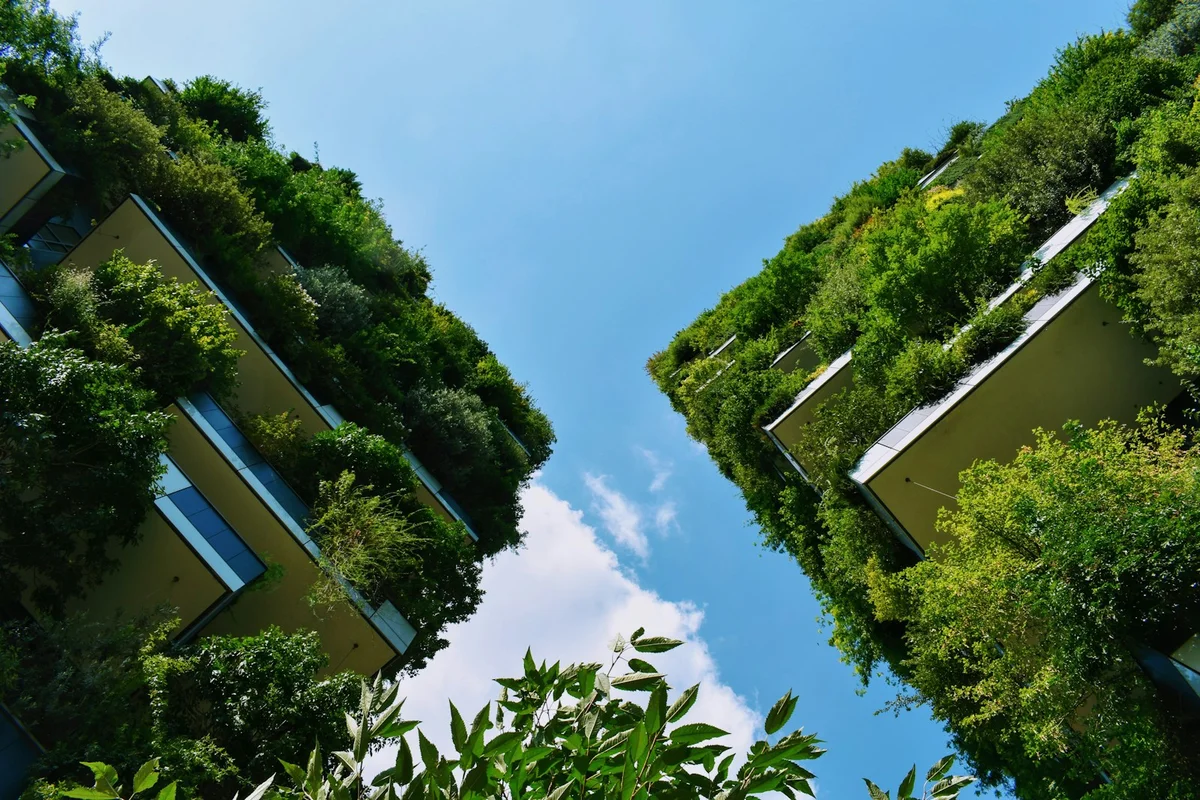
- What is a Zero Carbon Neighborhood? Definition and Significance
- Zero Carbon Planning: Core Principles
- Green Building Materials and Advanced Technologies
- Exemplary Zero Carbon Neighborhood Projects Globally and in Vietnam
- Investment and Residency Benefits in a Zero Carbon Urban Area
- Frequently Asked Questions (FAQ)
What is a Zero Carbon Neighborhood? Definition and Significance
A Zero Carbon Neighborhood, or net-zero emission urban area, is a pioneering urban planning concept aimed at minimizing greenhouse gas emissions across all activities. This represents not just a trend but an urgent imperative to combat climate change, delivering an unparalleled quality of life for residents.
Amidst increasingly complex climate change and rising environmental awareness, the concept of a zero carbon neighborhood has become central to global discussions on sustainable urban planning. A net-zero emission urban area is more than just a place to live; it is an ecosystem designed to minimize carbon footprint, optimize renewable energy use, and foster a green lifestyle. The core objective is to balance greenhouse gas emissions with the amount of CO2 absorbed or removed from the atmosphere, thereby achieving Net Zero Emission status.
1. Demystifying the Zero Carbon Neighborhood Concept
A Zero Carbon Neighborhood is an urban area planned and developed with the goal of reducing greenhouse gas emissions to near zero. This is achieved by integrating smart design solutions, utilizing renewable energy, efficient waste management, and promoting sustainable transportation.
To further understand what a zero carbon neighborhood is, we need to examine its key constituent elements:
- Minimized Energy Consumption: Designing buildings with excellent insulation, maximizing natural light, and using energy-efficient appliances.
- Renewable Energy: Utilizing clean energy sources such as solar and wind power to supply the urban area’s operations.
- Sustainable Transportation: Prioritizing public transport, cycling, walking, and electric vehicles, reducing reliance on fossil fuel-powered private vehicles.
- Efficient Waste Management: Optimizing recycling, reuse, and waste treatment to minimize emissions.
- Green Building Materials: Using sustainably sourced, low-carbon emission materials in manufacturing and construction.
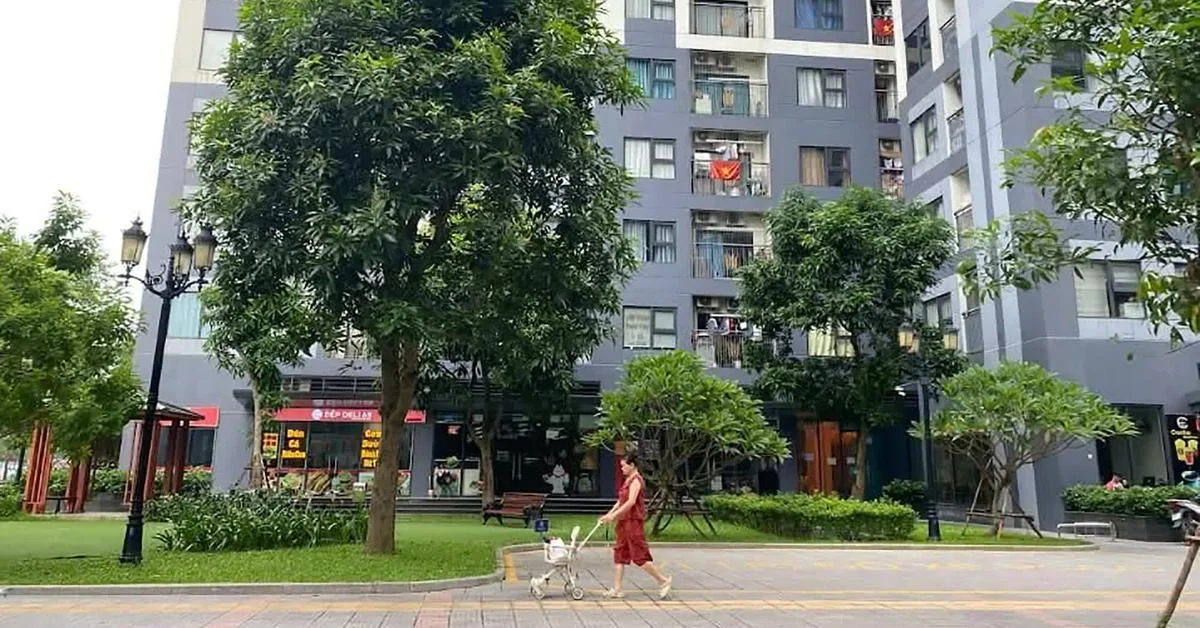
- Green Open Spaces and Biodiversity: Increasing green areas, parks, and water bodies to absorb CO2 and improve air quality.
2. The Importance of Zero Carbon Neighborhoods in the Current Context
Developing net-zero emission urban areas is an essential step for Vietnam, and Ho Chi Minh City in particular, to meet international climate commitments while enhancing residents’ quality of life.
The importance of a zero carbon neighborhood extends beyond environmental aspects, profoundly impacting economic and social spheres. These urban areas promise to deliver:
- Reduced Environmental Impact: Lowering greenhouse gas emissions, improving air quality, and protecting biodiversity.
- Enhanced Quality of Life: Clean, safe living environments with abundant green amenities, promoting residents’ physical and mental well-being.
- Lower Operational Costs: Reduced energy bills and waste treatment costs for both households and the community.
- Increased Property Value: Projects adhering to sustainable standards often command higher value appreciation and market appeal.
- Contribution to National Climate Commitments: Helping Vietnam achieve its Net Zero target by 2050.
Zero Carbon Planning: Core Principles
Planning a net-zero emission urban area demands multidisciplinary integration, from architecture, engineering, and energy to urban management and resident behavior.
To successfully build a zero carbon neighborhood, urban planners and real estate developers must adhere to the following core principles:
1. Optimized Urban Design
Smart urban design, appropriate building density, prioritizing green spaces, and integrated public transport connections form the foundation for a Net Zero urban area.
This principle focuses on creating a harmonious living environment, minimizing the need for private vehicle travel, and maximizing energy efficiency. Elements include:
- Appropriate Building Density: Balancing green spaces with population density to ensure efficient land use and minimize environmental impact.
- Energy-Oriented Design: Maximizing natural light and ventilation for buildings, reducing the need for air conditioning and artificial lighting.
- Multimodal Transport Connectivity: Planning convenient networks of pedestrian paths, cycle lanes, bus stops, and other public transport options to encourage resident usage.
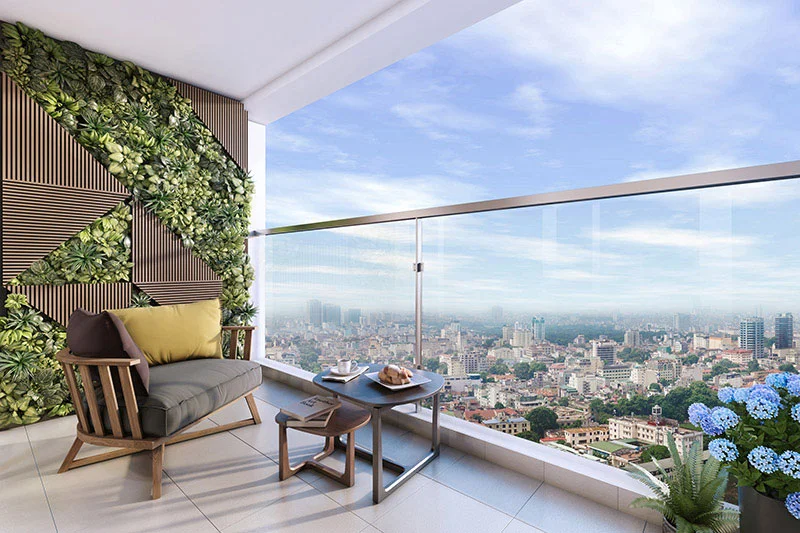
- Integrated Green Spaces: Incorporating parks, gardens, and vertical green walls into the overall plan to improve microclimates, absorb CO2, and enhance biodiversity.
2. Integration of Clean Energy Technologies
The use of renewable energy such as rooftop solar power, geothermal energy systems, and advanced energy storage technologies is a crucial factor.
To achieve Net Zero goals, transitioning to clean energy sources is indispensable. Technological solutions include:
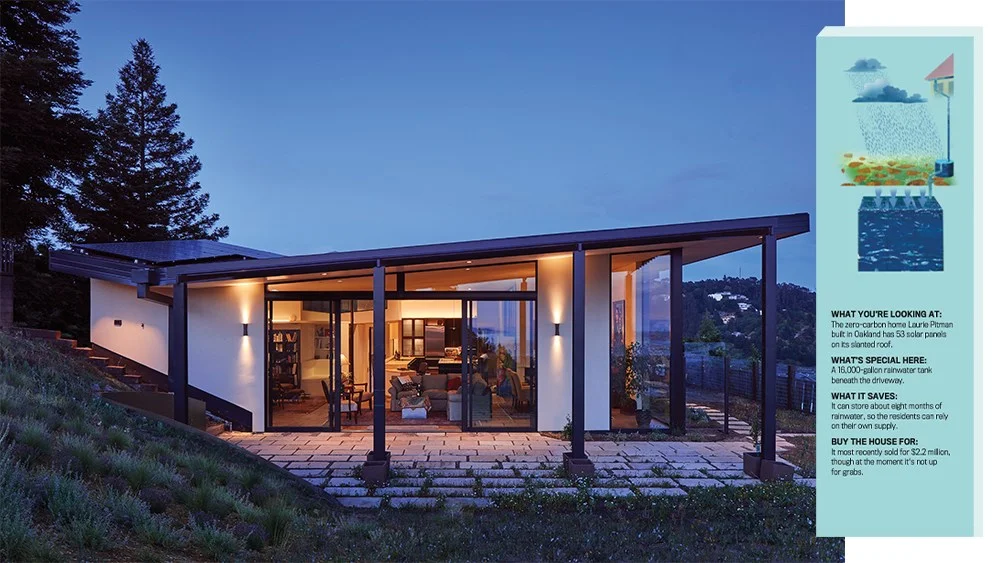
- Solar Energy: Installing solar panel systems on building rooftops and public areas to generate clean electricity on-site.
- Energy Storage Systems: Utilizing batteries or other storage technologies to ensure a stable energy supply, even when renewable sources are not active.
- Smart Grid: Efficiently managing and distributing energy, allowing for renewable energy integration and optimized usage.
- Wind Energy (if suitable): Considering the potential for installing small-scale wind turbines in areas with favorable conditions.
3. Smart Resource and Waste Management
Solutions for rainwater harvesting, wastewater recycling, and source-separated waste collection and treatment programs play a vital role.
A Net Zero urban area requires advanced resource and waste management systems, minimizing waste sent to landfills and optimizing water usage. Specific measures include:
- Rainwater Harvesting and Recycling: Systems to collect rainwater for irrigation and sanitation, reducing pressure on fresh water sources.
- Wastewater Recycling: Treating domestic and industrial wastewater for reuse, minimizing water pollution.
- Source-Separated Waste Programs: Encouraging residents to separate organic, recyclable, and residual waste to optimize treatment and recycling processes.
- Construction Waste Reduction: Applying advanced construction methods and reusing building materials to reduce waste generation.
Green Building Materials and Advanced Technologies
The selection of sustainably sourced, low-carbon building materials and the application of technologies like Digital Twin and BIM are key factors in realizing Net Zero urban areas.
To construct a zero carbon neighborhood, material selection and technology application play a decisive role. These factors not only influence energy efficiency but also residents’ health and comfort.
1. Selecting Green Building Materials
Prioritizing materials with sustainable lifecycles, renewable origins, high recyclability, and low-carbon manufacturing processes.
Green building materials are the foundation for sustainable construction. They include:
- Sustainable Wood: Using wood from sustainably managed, FSC-certified forests.
- Recycled Materials: Utilizing recycled steel, recycled concrete, and recycled glass in construction.
- Natural Materials: Bamboo, rammed earth, locally sourced natural stone, reducing transportation energy.
- Environmentally Friendly Paints and Chemicals: Using water-based paints, free of VOCs (volatile organic compounds) to improve indoor air quality.
- Efficient Insulation Materials: Employing advanced insulation materials to reduce heat loss, saving energy for heating and cooling systems.
2. Applying Technology in Planning and Operations
Technologies such as BIM (Building Information Modeling) and Digital Twin optimize the design, construction, and operational management of urban areas.
Technology acts as a catalyst to realize the vision of Net Zero urban areas. Notable applications include:
- BIM (Building Information Modeling): A design and construction information management tool that optimizes architectural, structural, and technical system designs, minimizing errors and waste during construction.
- Digital Twin: Creating a digital replica of the urban area, allowing for simulation, analysis, and prediction of system performance (energy, transport, environment), thereby enabling optimized operational and maintenance decisions.
- Smart Building Management Systems (BMS): Automating the control of lighting, air conditioning, ventilation, and security systems, saving energy and enhancing resident comfort.
- PropTech (Property Technology): Technological solutions supporting real estate management, operations, leasing, and experience, contributing to a smart and sustainable living community.
Exemplary Zero Carbon Neighborhood Projects Globally and in Vietnam
Many countries have pioneered the development of net-zero emission urban areas, offering valuable lessons for emerging markets like Vietnam.
Exploring typical zero carbon neighborhood projects will help us better visualize their potential and implementation methods. Here are some prominent examples:
1. International Projects
Cities like Copenhagen (Denmark), Stockholm (Sweden), and several new urban areas in Singapore have made significant strides in building Net Zero communities.
Globally, many projects have demonstrated the feasibility and effectiveness of the net-zero emission urban area model:
- Hammarby Sjöstad, Stockholm, Sweden: A waterfront urban area transformed from a former industrial site, focusing on circular energy systems, smart waste management, and public transportation.
- Masdar City, Abu Dhabi, UAE: An experimental city designed to be a hub for renewable energy and clean technology, with buildings engineered to minimize cooling demand and utilize solar power.
- The Eastern Harbour District, Copenhagen, Denmark: This area aims to become the world’s first carbon-neutral urban district, with a focus on wind energy, sustainable transportation, and energy-efficient buildings.
2. Potential in Vietnam
Although still in its nascent stages, Vietnam is taking initial steps, with developers beginning to show interest in sustainable development and Net Zero standards.
In Vietnam, the concept of a zero carbon neighborhood is gradually being shaped and implemented by visionary developers. While no complete project has yet achieved absolute Net Zero standards, many projects are integrating sustainable elements:
- ESG-oriented projects: Some new urban areas in Ho Chi Minh City and Hanoi are focusing on Environmental, Social, and Governance (ESG) factors in planning and operations, such as increasing green spaces, using environmentally friendly materials, and developing community amenities.
- Potential from new urban areas: Urban areas being planned or developed in the outskirts of Ho Chi Minh City have significant potential to apply sustainable development standards, including renewable energy solutions and efficient resource management.
- Interest from international investors: Investment funds and international real estate groups are increasingly requiring projects in Vietnam to comply with ESG and sustainability standards, driving the future development of Net Zero urban areas.
Table 1: Comparison of Energy and Emission Standards Between Traditional Urban Areas and Zero Carbon Neighborhoods
| Criterion | Traditional Urban Area | Zero Carbon Neighborhood |
|---|---|---|
| Primary Energy Source | Fossil fuels (grid electricity, gasoline, diesel) | Renewable energy (solar, wind), green grid electricity |
| Net Carbon Emissions | High (exceeding absorption capacity) | Near zero or negative (absorbing more than emitting) |
| Building Energy Efficiency | Medium to low | Very high (good insulation, smart design) |
| Transportation | Prioritizes private gasoline/diesel vehicles | Prioritizes walking, cycling, public transport, electric vehicles |
| Waste Management | Mainly landfill, incineration | Recycling, reuse, biological treatment, maximum reduction |
| Green Spaces | Limited, dispersed | Integrated, high density, multifunctional |
Investment and Residency Benefits in a Zero Carbon Urban Area
Investing in net-zero emission urban area projects not only yields environmental benefits but also ensures sustainable profitability and a superior quality of life.
For affluent families and discerning investors in Ho Chi Minh City, understanding what a zero carbon neighborhood is and its associated benefits is crucial for making informed investment and residency decisions.
1. Potential for Property Value Appreciation
Sustainable real estate projects, especially Net Zero urban areas, tend to exhibit more stable and sustainable value appreciation in the long term.
Financial benefits of investing in a zero carbon neighborhood include:
- Value appreciation over time: The increasing demand for green, sustainable living spaces means these projects are likely to appreciate better than the general market.
- Low operational costs: Residents and owners will significantly save on electricity, water, and maintenance costs due to energy and resource-saving solutions.
- High rental appeal: Apartments or commercial spaces in Net Zero urban areas are often easier to rent at competitive prices, meeting the green living trend of new generations.
- Attracting ESG investors: Investment funds focused on ESG (Environmental, Social, Governance) criteria are increasingly interested in sustainable real estate projects, providing further impetus for value growth.
2. Enhanced Quality of Life
Residents enjoy a clean, safe, comfortable living environment and strong community connections.
The living experience in a zero carbon neighborhood offers numerous superior benefits for health and well-being:
- Clean air: Reduced air pollution thanks to dense green systems and limited emission-generating vehicles.
- Safe living environment: Less noise, less dust, safe for children and the elderly.
- Health and activity amenities: Easy access to parks, walking paths, outdoor sports areas, promoting an active lifestyle.
- Connected community: Public spaces designed to encourage interaction and engagement among residents, building a civilized and sustainable community.
- Education and awareness: Living in a Net Zero environment helps raise environmental awareness for the whole family, especially the younger generation.
3. Contributing to a Sustainable Future
Choosing to reside or invest in these projects is a practical action that contributes to national and global sustainable development goals.
Investing or choosing to reside in a zero carbon neighborhood is not just a personal decision but also a positive contribution to the broader sustainable development landscape:
- Fulfilling Climate Commitments: Contributing to the reduction of carbon emissions in Ho Chi Minh City and Vietnam, working towards the Net Zero target by 2050.
- Spreading Green Lifestyles: Creating a model for sustainable living, encouraging the community to follow and adopt environmentally friendly practices.
- Fostering Innovation: Encouraging businesses and scientists to continue researching and developing green technology solutions and sustainable materials.
- Building a Future Legacy: Creating a sustainable urban legacy for future generations, where humans and nature coexist harmoniously.
Table 2: Estimated Monthly Operating Costs (for a 100m2 apartment)
| Cost Item | Traditional Urban Area (Estimated) | Zero Carbon Neighborhood (Estimated) |
|---|---|---|
| Electricity | 2,500,000 VND | 1,000,000 VND (Thanks to solar energy and energy efficiency) |
| Water | 300,000 VND | 200,000 VND (Thanks to water recycling and conservation) |
| Management & Operating Fees | 1,500,000 VND | 1,800,000 VND (Includes green system operation, maintenance costs) |
| Transportation (Fuel, parking fees) | 1,000,000 VND | 300,000 VND (Prioritizes electric vehicles, public transport, walking) |
| Estimated Total | 5,300,000 VND | 2,300,000 VND |
Frequently Asked Questions (FAQ)
1. Will developing a Zero Carbon urban area increase initial costs for developers and homebuyers?
While the initial investment costs for green technologies and materials may be slightly higher than traditional projects, this investment often yields dual benefits. In the long run, operational and maintenance costs are significantly reduced, leading to savings for owners and residents. Furthermore, government incentives and the increasing value of sustainable real estate will partially offset initial costs.
2. How can the practical effectiveness of Zero Carbon solutions be ensured under Vietnam’s climatic conditions?
Zero Carbon solutions need to be adapted to Vietnam’s tropical monsoon climate. For example, optimizing natural ventilation design, using efficient insulation materials, and installing appropriately sized solar panel systems will maximize effectiveness. Technologies like Digital Twin allow for simulation and performance evaluation under specific climatic conditions, helping to derive the most optimal solutions.
3. What is the role of the residential community in operating and maintaining a Zero Carbon urban area?
Active participation from the residential community is a key factor. This includes practicing source separation of waste, conserving energy and water, prioritizing public transportation or cycling, and participating in community environmental programs. Education and awareness-raising about sustainable living play a crucial role in building a successful Zero Carbon community.
4. How can one assess whether a real estate project truly meets Zero Carbon standards?
Assessment should be based on international standards and reputable green building certifications (such as LEED, Green Mark, EDGE). It is important to comprehensively consider all factors: energy sources used (proportion of renewable energy), building energy efficiency, construction materials, water and waste management, and sustainable operational plans. Environmental impact assessment reports and long-term development plans of the project also provide crucial information.
5. Does investing in a Zero Carbon urban area offer attractive financial returns compared to other investment channels?
Investing in sustainable real estate, particularly Zero Carbon urban area projects, is increasingly valued for its potential for stable and sustainable returns. The global trend towards ESG and rising consumer environmental awareness create significant demand for green real estate products. While returns may not be as sudden as high-risk investment channels, stable value growth, low operating costs, and good rental potential provide attractive and secure long-term returns.

NALUX Urban Research & Development Division
A dedicated team of market data analysts, biophilic architects, and luxury real estate legal appraisers at NALUX Development Corporation. All insights and forecasts are founded on verified master planning data and independent field audits.