Choosing Your Apartment Floor: High, Mid, or Low? The Ideal Level for Luxury Living

- Analyzing the Pros and Cons of Apartment Floor Ranges
- Ideal Floor Ranges by Usage Purpose and Resident Profile
- Other Factors to Consider When Choosing an Apartment Floor
- Detailed Comparison Table of Apartment Floor Ranges in HCMC (2026)
- Expert Advice from NALUX Development
- Frequently Asked Questions (FAQ)
Selecting the ideal apartment floor is a pivotal decision, directly influencing lifestyle quality and investment potential. With Ho Chi Minh City’s real estate market flourishing in 2026, factors such as panoramic views, noise levels, temperature, safety, and operational costs are increasingly vital for affluent international buyers, successful families, and discerning investors. This NALUX Development article offers an in-depth perspective, grounded in real-world data and objective analysis, to guide your optimal choice.
Analyzing the Pros and Cons of Apartment Floor Ranges
Deciding whether to reside on a high or low floor in an apartment building depends on various personal factors and intended use. Each floor range presents distinct advantages and disadvantages concerning views, air quality, noise, safety, and costs, demanding careful consideration from homebuyers and investors.
1. Low Floors (Levels 1-7): Convenient Access, Limited Views
Apartments on lower floors offer superior convenience for movement, access to internal amenities, and emergency egress. However, they also face certain limitations regarding views and privacy.
- Advantages:
- Convenient Access: Shorter elevator wait times and easy access via stairs for exercise or in emergencies. Particularly suitable for families with elderly members, young children, or individuals with disabilities.
- Easier Evacuation: In the event of fire or other emergencies, evacuation from lower floors is quicker and safer.
- Amenity Proximity: Close to internal amenities such as swimming pools, parks, children’s play areas, lobbies, mini-marts, and gyms.
- Sales and Rental Value: Typically, the primary and secondary market prices for lower-floor apartments may be slightly lower than mid and high floors, offering an investment opportunity with a lower initial outlay. Rental yields can be stable due to demand from tenants prioritizing convenience.
- Disadvantages:
- Noise and Dust: Directly impacted by traffic noise, sounds from internal amenities, lobby areas, and resident activities. Dust levels are also significantly higher compared to upper floors.
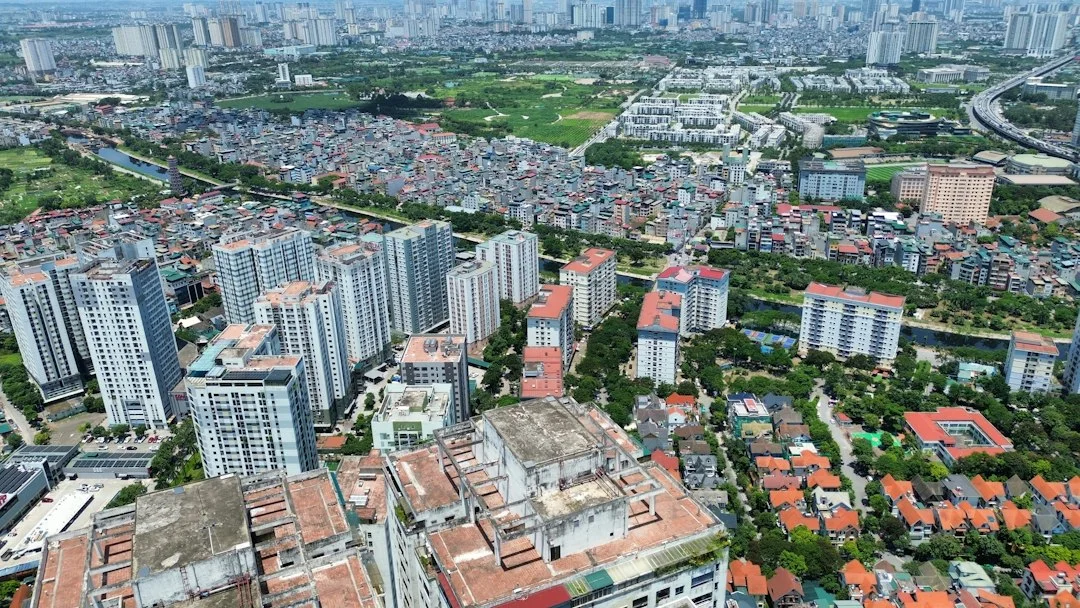
- Limited Views: Often obstructed by adjacent buildings, greenery, or other architectural structures, lacking expansive vistas.
- Lack of Privacy: Easily observed from outside or from other low-floor apartments across.
- Pest Risk: May encounter more issues with mosquitoes, ants, and other insects.
- Light and Ventilation: Some lower-floor apartments may have restricted natural light and ventilation if shielded by surrounding structures.
2. Mid Floors (Levels 8-20): The Ideal Balance of Convenience and Lifestyle Quality
Mid-range floors are often considered the optimal choice, harmonizing various factors related to amenities, living space, and value. This range is preferred by many families and investors.
- Advantages:
- Good Views: High enough to avoid most ground-level noise and dust, while offering reasonably expansive views that are not overly obstructed.
- Fresh Air: Air pollution levels are significantly reduced compared to lower floors, resulting in fresher air.
- Reduced Noise: Less affected by traffic noise and internal activities than lower floors.
- Relative Safety: Still allows for relatively quick evacuation in emergencies compared to very high floors.
- Investment Value: Mid-floor apartments often boast high liquidity and maintain strong value in the secondary market. According to NALUX Development’s 2026 survey, rental yields for mid-floor apartments in projects like The Metropole Thu Thiem or Masteri Centre Point are typically 0.5-1% higher than lower floors of the same size.
- Disadvantages:
- Elevator Dependence: Higher reliance on elevators than lower floors.
- Price Point: Primary and secondary market prices are generally higher than lower floors due to strong demand and superior advantages.
3. High Floors (Levels 21+): Priceless Views, Absolute Privacy
Apartments on high floors offer an elevated living experience with sweeping city views, pristine air, and absolute tranquility. However, they also come with their own set of challenges.
- Advantages:
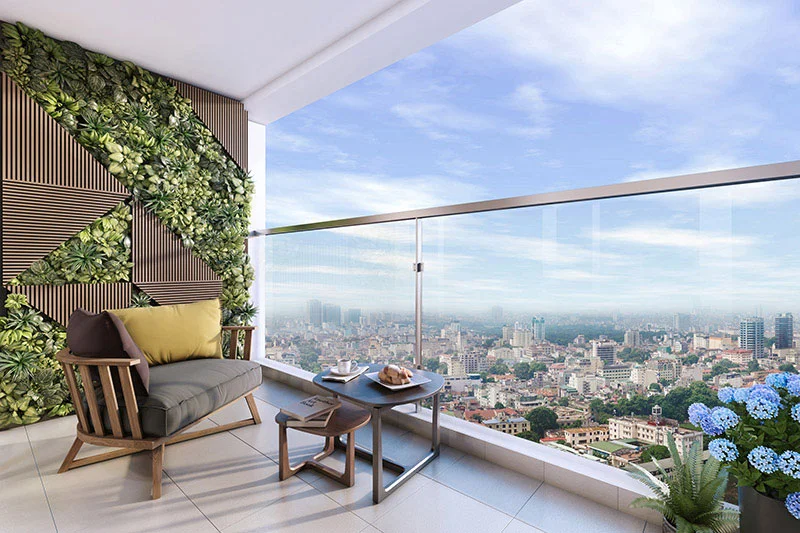
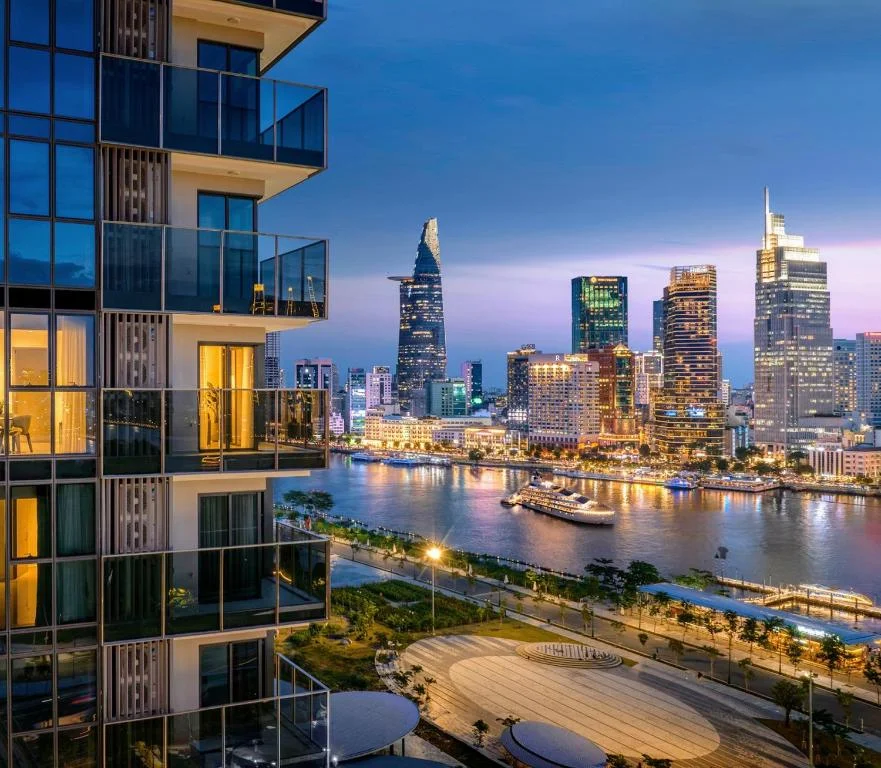
- Panoramic Views: Provides spectacular vistas of the entire city, riverscapes, or parks, especially at night. This factor creates distinct value for luxury apartments.
- Fresh Air and Quiet: Completely isolated from urban noise and pollution. The air is fresher, and there are fewer insects.
- Privacy: Offers the highest level of privacy, undisturbed by activities below.
- Light and Ventilation: Typically receive more natural light and better ventilation.
- High Investment Value: Penthouse or corner units on the highest floors often command the highest values, offering impressive capital appreciation potential and rental yields, particularly in prime locations such as The River Thu Thiem or Grand Marina Saigon.
- Disadvantages:
- Complete Elevator Dependence: Elevator wait times can be longer, especially during peak hours. Movement during elevator malfunctions or power outages is a significant challenge.
- Fire Risk and Evacuation: Evacuation from very high floors in an emergency is more complex and hazardous. Fire safety systems must be absolutely robust.
- Weather Impact: Can be more strongly affected by high winds, storms, or direct sunlight.
- Cost: Sales prices and management/maintenance fees are typically the highest.
- Sensation of Confinement (for some): A small number of individuals may feel uncomfortable, dizzy, or confined at extreme heights, especially those with acrophobia. However, with modern design and open spaces, this sensation is increasingly mitigated.
Ideal Floor Ranges by Usage Purpose and Resident Profile
The ideal floor range is not a fixed number but varies depending on the needs, lifestyle, and investment goals of each individual or family. NALUX Development recommends carefully considering the following factors.
1. Ideal Floor Range for Families with Young Children and Elderly Members
For families with young children and elderly members, safety, ease of movement, and access to medical care are top priorities. Low to mid-range floors are the optimal choice.
- Levels 3-10: This is the recommended floor range. Elevator travel is quick, wait times are short, and stairs can be used when necessary. Proximity to amenities like children’s play areas, internal parks, and clinics (if available) is a plus. Safety during evacuation is also higher.
- Note: Carefully consider the apartment’s position to avoid noise from lobby areas, swimming pools, or main roads. Choose an apartment with a safe balcony, high and sturdy railings.
2. Ideal Floor Range for Singles, Young Couples, and Professionals
This demographic often prioritizes views, a quiet space for work and relaxation, as well as modernity and convenience. Mid to high floors are suitable choices.
- Levels 15-25: Offers beautiful views, fresh air, and the necessary tranquility. Minimizes urban noise, creating an ideal space for ‘workation’ (work + vacation) at home. Projects like The Sun Avenue or Vinhomes Central Park with apartments in this range consistently have high occupancy rates and stable rental prices, ranging from 18-25 million VND/month for a 2-bedroom unit in 2026.
- Note: Ensure the building’s elevator system operates efficiently, with a sufficient number of elevators to avoid congestion during peak hours.
3. Ideal Floor Range for Investors
Investors are typically concerned with capital appreciation potential, liquidity, and rental yields. Mid-range floors and special high-floor units often offer the best value.
- Mid Floors (Levels 8-20): High liquidity, easy to buy, sell, and rent due to suitability for a diverse range of customers. Reasonable sales prices, low risk.
- High Floors (Levels 25+, especially Penthouses, Duplexes): Although the initial investment cost is high, these apartments often have superior capital appreciation potential and high rental yields, especially in ultra-luxury projects. For example, a Penthouse at The River Thu Thiem could command a rental price of up to 150-200 million VND/month in 2026, with a stable rental yield of 4-5% per annum.
- Note: Thoroughly research the developer, quality of management and operations, and project location. These factors significantly impact the long-term value of the apartment.
Other Factors to Consider When Choosing an Apartment Floor
Beyond the floor level, many other factors need consideration to ensure the apartment best suits your needs and desires.
1. Apartment Orientation and Views
The apartment’s orientation directly affects light, temperature, and ventilation. Views are a crucial factor creating both emotional and commercial value for the apartment.
- Sunlight and Wind Exposure: Southeast or South-facing apartments are often cooler in summer and warmer in winter, avoiding harsh afternoon sun. However, on higher floors, strong winds can be uncomfortable.
- Views: Prioritize apartments with unobstructed views of rivers, parks, swimming pools, or the city center. A beautiful view not only enhances living quality but also increases the apartment’s value for resale or rental.
2. Feng Shui
For many East Asians, Feng Shui is an indispensable factor when choosing a home. The floor number, house orientation, and apartment layout are all carefully considered.
- Floor Number: Some people avoid floor numbers with unlucky connotations (e.g., the number 4 in Chinese sounds similar to ‘death’, the number 13). Conversely, numbers like 6, 8, 9 are often favored for their auspicious meanings of wealth and prosperity.
- Apartment Layout: Avoid apartments with main doors directly facing elevators, long corridors, or sharp corners pointing directly into the home.
3. Resident Density and Elevator System
Resident density and the efficiency of the elevator system directly impact daily living experience, especially in high-rise buildings.
- Number of Elevators: Ensure the building has a sufficient number of elevators relative to the number of apartments and building height. The ideal ratio is typically 1 elevator for 50-70 apartments.
- Elevator Speed: High-speed elevators (over 3m/s) are crucial for buildings over 30 floors.
- Elevator Zoning: Some luxury projects feature separate elevator zoning for high floors, helping to reduce wait times.
4. Operating and Maintenance Costs
Operating and maintenance costs can vary between floors, especially for special units like Penthouses.
- Management Fees: Larger apartments or those on special floors may incur higher management fees.
- Energy Costs: High-floor apartments may experience more intense sunlight in summer (if West-facing), leading to higher electricity costs for air conditioning. Conversely, lower floors might be more humid.
Detailed Comparison Table of Apartment Floor Ranges in HCMC (2026)
To provide a comprehensive and specific overview, NALUX Development has compiled a detailed comparison table of key factors when choosing an apartment floor, based on actual surveys of prominent projects in HCMC in 2026.
| Criterion | Low Floors (1-7) | Mid Floors (8-20) | High Floors (21+) |
|---|---|---|---|
| Views | Limited, easily obstructed | Quite good, expansive | Excellent, panoramic |
| Noise & Dust | Highest (traffic, amenities) | Moderate, significantly reduced | Lowest, absolute tranquility |
| Air Quality | Less fresh | Fresh | Very fresh |
| Movement & Evacuation | Very convenient, quick | Convenient, elevator-dependent | Fully elevator-dependent, harder evacuation |
| Safety (Pests, Burglary) | Higher pest risk, requires security attention | Fewer pests, good security | Very few pests, assured security |
| Weather Impact | Less affected by wind/storms | Stable | Affected by strong winds, intense sun (if West-facing) |
| Primary Sale Price (VND/m²)* | 70-90 million | 85-110 million | 100-150 million (can be higher for Penthouses) |
| Rental Yield (2026)** | 3.5% – 4.0% | 4.0% – 4.8% | 4.5% – 5.5% (or higher for special units) |
| Liquidity | Good | Very good | Good (especially unique units) |
| Suitable For | Families with young children, elderly, those prioritizing convenience | Most families, couples, investors | Singles, couples, affluent individuals, high-end investors |
| *Reference primary sale prices for mid to high-end projects in HCMC in 2026 (e.g., Celadon City, Masteri Thao Dien, The Metropole Thu Thiem). Prices may vary by project and location. | |||
| **Rental yield calculated based on average rental prices and apartment values in the secondary market in 2026. | |||
| Source: NALUX Development Market Survey, Q1/2026. | |||
Expert Advice from NALUX Development
Choosing an apartment floor is not merely a financial decision but a lifestyle choice. As senior real estate advisors, NALUX Development recommends combining multiple factors to make the most informed decision.
- Clearly Define Your Needs: Do you prioritize convenience, family safety, or panoramic views, absolute privacy, and investment potential?
- Conduct Site Visits: If possible, visit apartments on various floors within the same project to directly experience the light, wind, noise, and views.
- Consult Experts: Do not hesitate to seek advice from reputable real estate consultants who possess up-to-date market data and experience.
- Consider Long-Term Factors: If you are an investor, evaluate the apartment’s capital appreciation potential and rental viability over the next 5-10 years, based on urban planning and regional infrastructure development.
We hope these in-depth analyses and real-world data from NALUX Development will enhance your choosing apartment floor experience, leading to a prosperous home or a sustainable investment opportunity in Ho Chi Minh City.
Frequently Asked Questions (FAQ)

NALUX Urban Research & Development Division
A dedicated team of market data analysts, biophilic architects, and luxury real estate legal appraisers at NALUX Development Corporation. All insights and forecasts are founded on verified master planning data and independent field audits.