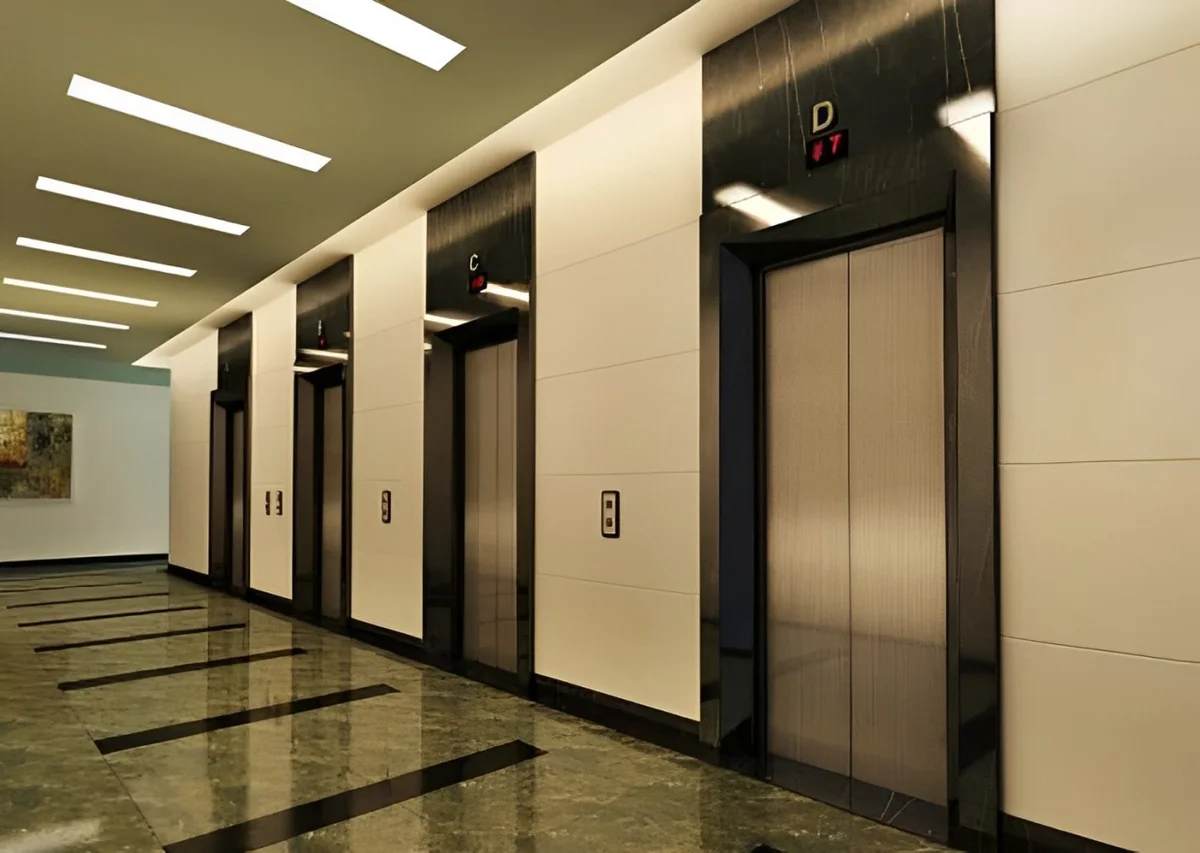
Luxury Apartment Elevator Density: Gold Standard for Elite Living
- Luxury Apartment Elevator Density: Definition and Importance
- Gold Standards for Luxury Apartment Elevator Density in Vietnam and Internationally
- Analysis of Prominent Luxury Apartment Projects in HCMC in 2026
- Factors Influencing Elevator Density and Resident Experience
- Impact of Elevator Density on Property Value and Investment Decisions
- Expert Advice from NALUX Development for Investors and Homebuyers
- Frequently Asked Questions About Luxury Apartment Elevator Density
As the Ho Chi Minh City real estate market in 2026 undergoes a significant shift towards the premium and luxury segments, luxury apartment elevator density transcends a mere technical metric. It is a pivotal factor shaping the living experience and investment value. This article by NALUX Development delves into the gold standards of elevator density, the ratio of apartments per elevator, and their impact on quality of life and profitability for discerning investors and affluent families.
Luxury Apartment Elevator Density: Definition and Importance
DIRECT ANSWER: Luxury apartment elevator density refers to the ratio of apartments to the number of elevators serving them, directly reflecting resident mobility and convenience. Optimal density ensures minimal wait times, reduced congestion during peak hours, thereby enhancing the living experience and the project’s long-term value.
Defining and Calculating Elevator Density
Elevator density is calculated by dividing the total number of apartments by the total number of resident-serving elevators (excluding service elevators). For instance, a project with 200 apartments and 4 elevators has a density of 50 apartments per elevator. However, a precise assessment also considers factors like the number of floors, apartment sizes, and resident demographics.
The Significance of Elevator Density in the Luxury Segment
For the luxury apartment segment, elevator density is more than a basic amenity; it signifies exclusivity, privacy, and efficiency. Affluent residents are willing to invest more for an uninterrupted living experience with minimal waiting times and comfortable transit spaces. Lower elevator density also contributes to reduced long-term maintenance and operational costs for building management and residents.
Gold Standards for Luxury Apartment Elevator Density in Vietnam and Internationally
DIRECT ANSWER: The gold standard for luxury apartment elevator density typically ranges from 30-50 apartments per elevator, varying with project scale and building height. Ultra-luxury developments may achieve lower ratios, around 20-25 apartments per elevator, to maximise privacy and convenience for residents.
International Standards and Current Regulations
Globally, elevator standards are often set by organisations like ASME (USA) or EN (Europe), focusing on safety, speed, and capacity. However, elevator density is largely influenced by national and city-level planning and design. In dense urban centres like Singapore or Hong Kong, where land is scarce and high-rise living is prevalent, elevator density might be higher but compensated by high-speed elevators and intelligent traffic management systems.
In Vietnam, current regulations (such as QCVN 04:2021/BXD for apartment buildings) do not specify exact apartment-to-elevator ratios, focusing instead on technical and safety requirements, and minimum numbers (e.g., at least 1 elevator for buildings over 6 floors, 2 for those over 10). Consequently, premium developers often set their own internal standards significantly higher than regulations to remain competitive and meet customer expectations.
Comparing Elevator Density Across Market Segments
The disparity in elevator density between different market segments is pronounced, reflecting developers’ investment levels and product positioning:
- Affordable/Mid-range Apartments: Density typically ranges from 80-120 apartments per elevator, sometimes higher in older projects. This often leads to long waiting times, especially during peak hours, significantly impacting the living experience.
- High-end Apartments: An ideal density is generally between 40-60 apartments per elevator. This is a benchmark adopted by many reputable developers to ensure convenience and smooth traffic flow.
- Luxury/Ultra-luxury Apartments: Density can drop to 20-35 apartments per elevator, with some projects offering private elevators for just one or two apartments per floor, ensuring absolute exclusivity and privacy.
Analysis of Prominent Luxury Apartment Projects in HCMC in 2026
DIRECT ANSWER: In 2026, HCMC’s luxury apartment market features notable projects optimising elevator density for a superior living experience. The Grand Manhattan, The Metropole Thủ Thiêm, and Masteri Centre Point exemplify high standards in elevator system design.
The Grand Manhattan Project (District 1)
Novaland’s The Grand Manhattan, located in the heart of District 1, stands as a symbol of opulence. With approximately 967 apartments and 21 high-speed elevators (excluding service lifts), its elevator density is around 46 apartments per elevator. This is an excellent ratio for a prime location, ensuring residents enjoy swift and convenient transit, befitting the average secondary market price of VND 150-200 million/m² in 2026.
The Metropole Thủ Thiêm Project (Thủ Đức City)
SonKim Land’s The Metropole Thủ Thiêm is highly regarded for its planning and amenities. Its residential phases, including Galleria Residence, Crest Residence, and Opera Residence, prioritise private living experiences. For instance, the Opera Residence phase, with about 646 apartments and 16 elevators (excluding service lifts), achieves an elevator density of approximately 40 apartments per elevator. This is considered an ideal ratio, contributing to stable secondary market values of VND 130-180 million/m² in 2026 and rental yields of 4-5%.
Masteri Centre Point Project (Thủ Đức City)
Masterise Homes’ Masteri Centre Point, situated within the Grand Park urban area, is a large-scale luxury development. With approximately 5,094 apartments spread across 10 towers, each equipped with an average of 4-6 elevators, the average elevator density here ranges from 50-60 apartments per elevator. While slightly higher than ultra-luxury projects, its modern, high-speed elevators and efficient traffic management ensure a good resident experience. The 2026 secondary market price is around VND 65-80 million/m², with rental yields of 3.5-4.5%.
Comparison Table of HCMC Luxury Apartment Elevator Densities (2026)
| Project | Developer | Location | Estimated Total Apartments | Total Resident Elevators | Elevator Density (Apts/Elevator) | Secondary Market Price (M VND/m², 2026) | Rental Yield (%, 2026) |
|---|---|---|---|---|---|---|---|
| The Grand Manhattan | Novaland | District 1 | 967 | 21 | 46 | 150 – 200 | 4.0 – 5.0 |
| The Metropole Thủ Thiêm (Opera Residence) | SonKim Land | Thủ Đức City | 646 | 16 | 40 | 130 – 180 | 4.5 – 5.5 |
| Masteri Centre Point | Masterise Homes | Thủ Đức City | 5,094 | 85 (avg. 8.5/tower) | 60 | 65 – 80 | 3.5 – 4.5 |
| One Central (The Spirit of Saigon) | Masterise Homes | District 1 | 228 | 10 | 23 | 300 – 450 | 5.0 – 6.0 |
| Serenity Sky Villas | SonKim Land | District 3 | 45 | 17 (private elevators) | 2.6 (private elevators) | 180 – 250 | 4.5 – 5.5 |
Source: NALUX Development Market Survey, March 2026. Prices and rental yields are average estimates for handed-over and operational units.
Factors Influencing Elevator Density and Resident Experience
DIRECT ANSWER: Beyond the apartment-to-elevator ratio, factors like elevator speed, control technology, lobby design, and overall project planning significantly shape the resident transit experience. An effective elevator system is defined by its quality and operational intelligence, not just its quantity.
Elevator Speed and Technology
High-speed elevators (3-7 m/s) can partially compensate for higher apartment density, especially in supertall buildings. Smart control systems, such as Destination Control Systems (DCS), optimise journeys, reducing wait times and unnecessary stops. For example, the elevators at Landmark 81 by Vinhomes utilise advanced technology, ensuring swift transit despite high resident and tenant traffic.
Lobby Design and Traffic Flow Management
Spacious, well-appointed lobbies with comfortable seating enhance the user experience. Clear elevator zoning (e.g., for low, mid, high floors, or specific apartment clusters) reduces load and improves traffic efficiency. Some luxury projects offer private elevators or elevators serving only a few apartments per floor, providing maximum privacy.
Overall Planning and Building Height
A project’s master plan, the number of towers, and individual building heights influence elevator placement. Tall buildings necessitate higher speeds and greater numbers of elevators for reasonable transit times. Integrating amenities across different floors (e.g., retail podiums, residential upper levels) requires careful planning for effective traffic flow, minimising conflicts between residents and visitors.
Impact of Elevator Density on Property Value and Investment Decisions
DIRECT ANSWER: Luxury apartment elevator density directly influences property value, rental potential, and resident satisfaction. Optimal density enhances living quality and is a key draw for sophisticated investors and homebuyers, underpinning long-term asset appreciation.
Influence on Sale and Rental Prices
Developments with lower elevator density, ensuring convenience and privacy, typically command higher sale and rental prices. This reflects the added value provided by the developer. For instance, ultra-luxury units at One Central (The Spirit of Saigon) or Serenity Sky Villas, with exceptionally low elevator density (even private elevators per unit), achieve sale prices of up to VND 300-450 million/m² and stable high rental yields, demonstrating buyer willingness to pay for exclusive experiences.
Impact on Living Experience and Resident Satisfaction
Elevator wait times are a significant source of resident dissatisfaction. Lower elevator density alleviates this, offering comfort, time savings, and an improved quality of life. This is particularly crucial for families with young children, the elderly, or individuals with demanding schedules.
Elevator Density as an Investment Indicator
For investors, elevator density is a key indicator of a project’s potential for capital appreciation and rental performance. An optimally dense elevator system attracts premium tenants, ensuring stable cash flow and sustainable asset value over time. Savvy investors scrutinise this factor alongside location, legal status, and developer reputation.
Expert Advice from NALUX Development for Investors and Homebuyers
DIRECT ANSWER: NALUX Development, as senior real estate advisors, strongly recommends that investors and affluent families in HCMC carefully evaluate elevator density when selecting luxury apartments. It is a crucial metric reflecting living quality and sustainable investment potential.
Factors to Consider When Assessing Elevator Density
- Apartments per Elevator: Prioritise projects with ratios below 50 apartments/elevator for the high-end segment and below 30 for luxury/ultra-luxury.
- Elevator Speed and Technology: Ensure speeds are appropriate for building height and equipped with smart control technology.
- Traffic Flow and Lobby Design: Verify clear zoning between resident and service elevators, and adequate lobby space.
- Developer and Operator Reputation: Reputable developers invest in superior elevator systems, and professional operators ensure stable, safe performance.
Future Trends in Elevator Development
Looking ahead, driven by technological advancements and the Healthy Building/Wellness trends, elevator systems will become increasingly intelligent. Technologies like facial recognition, voice control, and touchless elevators will become commonplace, enhancing safety and convenience. Integration with smart building management systems (BIM, Digital Twin) will optimise operations, minimise disruptions, and conserve energy.
In summary, luxury apartment elevator density is a critical indicator of a developer’s commitment to resident quality of life. Selecting a project with optimal elevator density not only provides a premium living experience but also represents a wise investment decision, ensuring sustainable asset value in HCMC’s 2026 real estate market and beyond.
Frequently Asked Questions About Luxury Apartment Elevator Density
1. What is the ideal elevator density for luxury apartments in HCMC in 2026?
According to NALUX Development’s assessment, the ideal elevator density for luxury apartments in HCMC in 2026 typically ranges from 30-50 apartments per elevator. For ultra-luxury projects, this ratio may be lower, around 20-35 apartments per elevator, to maximise resident privacy and convenience.
2. Why is elevator density important for property value?
Low elevator density reduces wait times and congestion, offering a more comfortable and convenient living experience. This directly enhances quality of life, increases a project’s appeal, and positively influences sale prices, rental rates, and sustainable long-term property appreciation.
3. Besides density, what other elevator factors should be considered when buying a luxury apartment?
Beyond density, buyers should consider elevator speed (crucial for tall buildings), control technology (like destination control systems), elevator brand quality (e.g., Mitsubishi, Schindler, Kone, Otis), lobby design, and clear traffic zoning (resident vs. service elevators). These elements collectively contribute to the overall transit experience.
4. Which HCMC luxury apartment projects currently (2026) offer the best elevator density?
Notable projects in HCMC with excellent elevator density in 2026 include The Metropole Thủ Thiêm (approx. 40 apts/elevator) and The Grand Manhattan (approx. 46 apts/elevator). Ultra-luxury developments like One Central (The Spirit of Saigon) and Serenity Sky Villas offer extremely low densities, even private elevators per unit, ensuring absolute exclusivity.
5. Does elevator density affect apartment building operating costs?
Yes, elevator density indirectly impacts operating costs. An optimally designed system with appropriate density reduces strain on individual elevators, extending equipment life, lowering maintenance frequency, and improving energy efficiency. This can contribute to reduced long-term management fees and service charges, benefiting both developers and residents.

NALUX Urban Research & Development Division
A dedicated team of market data analysts, biophilic architects, and luxury real estate legal appraisers at NALUX Development Corporation. All insights and forecasts are founded on verified master planning data and independent field audits.