District 2 vs District 7 Luxury Apartments: Optimal Living Choice
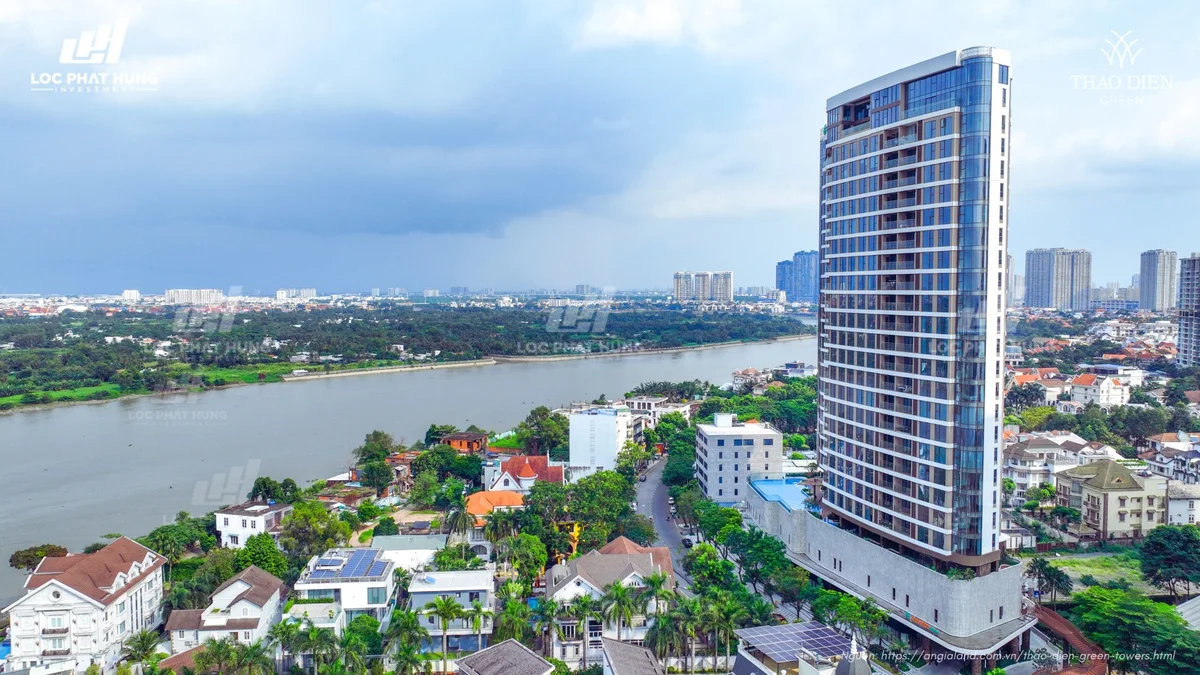
Ho Chi Minh City, a vibrant economic hub, consistently attracts affluent families and investors seeking premium living spaces and sustainable capital appreciation. Within this dynamic landscape, District 2 and District 7 emerge as prime locations for luxury real estate development, drawing significant attention. Each district possesses distinct characteristics shaped by urban planning, infrastructure, and resident demographics. This in-depth analysis compares luxury apartments in these two areas, with a specific focus on projects in Thao Dien (District 2), to provide a comprehensive perspective and guide your decision for residence or investment.
1. Geographical Location, Macro Planning and Transportation Infrastructure
District 2 (now within Thu Duc City) and District 7 occupy strategic positions at the eastern and southern gateways of Ho Chi Minh City. Beyond connectivity differences, fundamental variations in land area, population density, economic growth rates (GRDP), and per capita income serve as pivotal macro drivers that shape the prestige and long-term capital appreciation of luxury real estate across both enclaves.
1.1. District 2 (Thu Duc City): Eastern Growth Engine, Future Financial Hub, and Elite Enclave
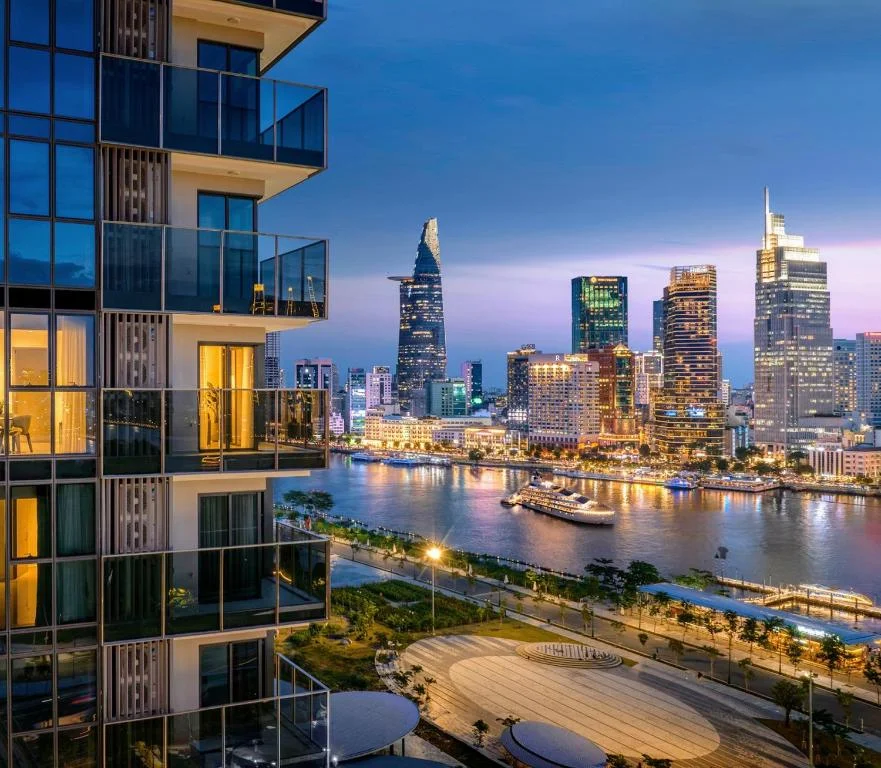
District 2 commands an enviable gateway location in eastern Ho Chi Minh City with a natural land area of 49.79 km², accounting for nearly 24% of Thu Duc City’s total territory. Flanked on three sides by the meandering Saigon River, this territory forms a rare ecological peninsula celebrated for auspicious Feng Shui and pristine riverine microclimates.
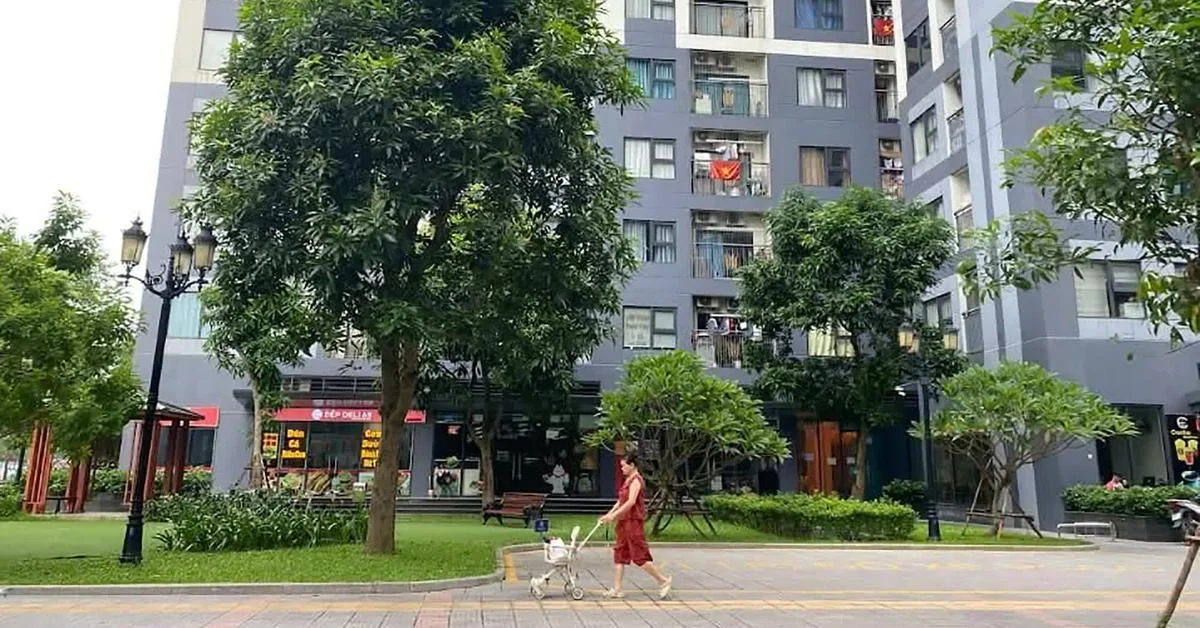
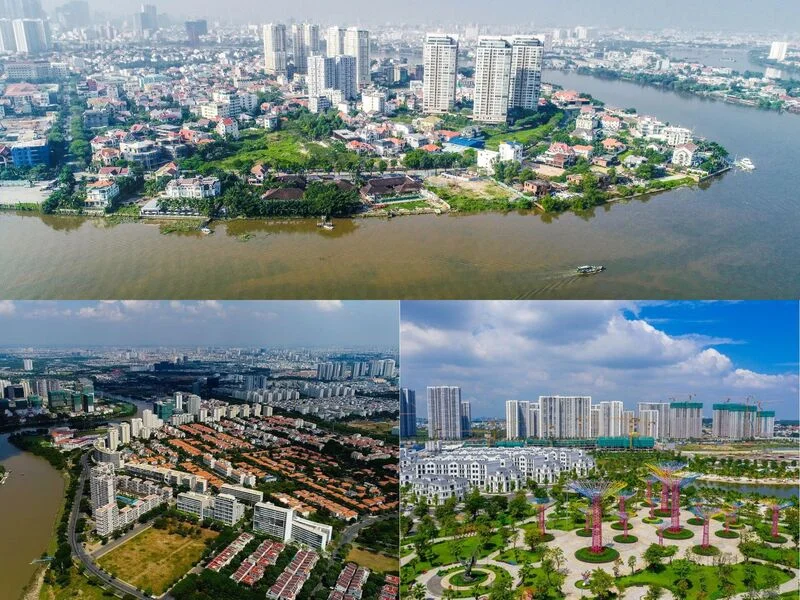
From a demographic perspective, District 2 is home to approximately 180,000 to 210,000 residents, with an average population density of 3,800 to 4,200 people/km². This remarkably low residential density (approximately one-third of traditional inner districts) enables master-planned precincts such as Thao Dien, Thu Thiem, and An Phu to foster low-density, biophilic luxury developments where green cover and water surface ratios exceed 35%.
Economically, District 2 serves as the core growth catalyst underpinning Thu Duc City’s robust GRDP expansion of 8.5% – 10.5% per annum (a metropolitan engine contributing approximately 30% of HCMC’s total GRDP and 7% of Vietnam’s national GDP). Anchored by the Thu Thiem New Urban Area, master-planned as the future International Financial Centre (IFC) of Southeast Asia, the precinct attracts massive inflows of high-calibre foreign direct investment (FDI).
Crucially, personal prosperity metrics in District 2 lead the nation, with annual per capita income estimated at USD 8,500 – 10,200 (VND 215 – 260 million/year), outpacing the municipal average by more than 1.5 times. Within Thao Dien and the Thu Thiem peninsula, high-net-worth individuals (HNWIs), multinational C-suite executives, and expatriates comprise over 45% of the demographic structure, cementing a sophisticated demographic baseline with exacting standards for Quiet Luxury residential assets.
Transportation infrastructure in District 2 has reached operational maturity, anchored by Metro Line 1 (Ben Thanh – Suoi Tien), the 12-lane Mai Chi Tho Boulevard, Hanoi Highway, and Ba Son Bridge (Thu Thiem 2), allowing direct 3-to-5-minute transit to District 1’s CBD, alongside future linkages via Thu Thiem Bridge 4 directly connecting into District 7.
1.2. District 7: Southern Maritime Urban Hub, Established Social Infrastructure, and Global Community
District 7 serves as the paramount economic nexus of southern Ho Chi Minh City, spanning a total land area of 35.69 km² and bridging the historic urban core with the Can Gio maritime economic corridor and the Hiep Phuoc international seaport cluster.
In terms of demographics, District 7 accommodates approximately 370,000 to 395,000 residents, yielding a population density of 10,400 to 10,800 people/km² (roughly 2.5 times denser than District 2 due to extensive residential concentration in traditional sub-wards along Nguyen Thi Thap and Tan Quy). Conversely, the Phu My Hung master-planned township (spanning 4.33 km²) maintains an internationally certified green park density of 8.9 m² per person.
District 7’s commercial and service sector growth maintains a resilient expansion rate of 11.5% – 13.5% per annum, consistently ranking among the top three budgetary revenue contributors across inner-city districts. Municipal zoning establishes District 7 as southern Saigon’s premier international hub for specialized healthcare, tertiary education, and corporate commerce.
Annual per capita income in District 7 is estimated at USD 7,500 – 8,900 (VND 190 – 225 million/year). District 7’s distinguishing demographic hallmark is its multi-generational international enclave (predominantly from South Korea, Japan, Taiwan, and Western Europe), constituting over 50% of Phu My Hung’s resident base. This creates Vietnam’s most stable, recession-resilient leasing demand for luxury apartments, guaranteeing reliable rental cash flows for wealth-preservation investors.
District 7’s transportation spine revolves around Nguyen Van Linh Parkway (10 lanes, 120m right-of-way), the North-South arterial Nguyen Huu Tho, and Phu My Bridge linking into the East. Critical debottlenecking projects, notably the Nguyen Van Linh – Nguyen Huu Tho three-level underpass interchange and the upcoming Thu Thiem 4 Bridge, will contract inter-district commute times between District 7 and District 2 to under 10 minutes.
1.3. Macroeconomic & Demographic Comparison Matrix (District 2 vs District 7)
The comparative matrix below delineates the verified macroeconomic and demographic benchmarks defining Ho Chi Minh City’s two premier luxury residential corridors:
| Macro & Demographic Indicator | District 2 (Thu Duc City – Eastern Hub) | District 7 (Southern Saigon Urban Hub) |
|---|---|---|
| Total Land Area | 49.79 km² (Peninsular enclave bordered by Saigon River) | 35.69 km² (Southern gateway urban district) |
| Population Size | ~180,000 – 210,000 residents | ~370,000 – 395,000 residents |
| Population Density | 3,800 – 4,200 people/km² (Low density, expansive green space) | 10,400 – 10,800 people/km² (Concentrated in established wards) |
| Economic Growth Rate | 8.5% – 10.5%/year (Thu Duc contributes ~30% of HCMC GRDP) | 11.5% – 13.5%/year (Commerce and services dominant) |
| Annual Per Capita Income | USD 8,500 – 10,200/year (VND 215 – 260 million) | USD 7,500 – 8,900/year (VND 190 – 225 million) |
| Affluent & Expatriate Demographics | Global experts, C-level executives, HNWIs (>45% in Thao Dien – Thu Thiem) | Multinational community (>50% Korean, Japanese, European in Phu My Hung) |
| Flagship Transport Corridors | Metro Line 1, Mai Chi Tho Blvd, Ba Son Bridge, Hanoi Highway | Nguyen Van Linh Parkway, Nguyen Huu Tho, Phu My Bridge, NVL Underpass |
| Strategic Urban Vision | Thu Thiem International Financial Centre (IFC), Innovation Hub | Southern Saigon International Hub for Healthcare, Education & Commerce |
1.4. Strategic Assessment for Residence and Investment Portfolios
These demographic and macroeconomic indicators demonstrate two divergent yet complementary real estate investment theses:
- District 2 (Capital Appreciation & High-Stature Identity): Powered by the new international financial district, low population density, and superior wealth metrics, luxury residences in District 2 (Thao Dien, Thu Thiem) yield premier capital growth potential, standing as prestigious status symbols for progressive, globally connected elites.
- District 7 (Predictable Rental Cash Flows & Complete Family Ecosystem): Bolstered by mature social amenities and a deeply entrenched foreign resident base, District 7 property delivers resilient rental yields and defensive liquidity, tailored for families seeking complete self-contained ecosystems encompassing top-tier international schools and multi-specialty hospitals.
2. Social Amenities and Resident Community
Quality of life extends beyond the residence to encompass surrounding amenities and the community you integrate into. Both District 2 and District 7 focus on developing premium amenities, each with its unique characteristics.
2.1. District 2: International Community and Premium Lifestyle
District 2, especially the Thao Dien area, is renowned as an affluent enclave and home to a large expatriate community, fostering a multicultural, dynamic, and sophisticated living environment.
High-quality international schools such as BIS, AIS, IS, and TAS are concentrated here, catering to comprehensive educational needs. Shopping, entertainment, and dining options are abundant, featuring bustling commercial centres like Vincom Mega Mall Thao Dien, Estella Place, and a wide array of international-standard restaurants, cafes, gyms, and spas. Lush green spaces, riverside parks, and diverse community activities contribute to an elevated, convenient, and fulfilling lifestyle.
2.2. District 7: Modern Urbanity and Family Convenience
District 7, exemplified by the Phu My Hung urban area, offers a modern, well-planned, and amenity-rich living environment for families. The educational ecosystem, from kindergarten to university, including international schools like SSIS, RMIT, and Canada International School, meets diverse learning requirements.
Major shopping centres such as Crescent Mall and SC VivoCity, alongside entertainment zones and green parks like Crescent Lake, create an ideal living space for all ages. Enhanced security, a clean environment, and a civilized, friendly community are significant advantages for District 7.
2.3. Analysis of Choices
If your family values cultural diversity, an international atmosphere, and top-tier entertainment and dining facilities, District 2 (Thao Dien) is the suitable choice. Conversely, if you seek a harmoniously planned living space with family-centric amenities and a secure, tranquil environment, District 7 is an ideal destination.
3. Luxury Real Estate Market: Pricing and Investment Potential
The luxury apartment segment in both District 2 and District 7 consistently attracts significant interest from both homebuyers and investors. However, pricing, growth potential, and rental yield exhibit notable differences.
3.1. District 2: Superior Value and Sustainable Growth Potential
District 2, particularly Thao Dien, maintains its position as one of Ho Chi Minh City’s most expensive real estate areas. Luxury apartment projects here, such as The Nassim, Masterise Homes (Masteri Thao Dien, Lumiere Riverside), and Gateway Thao Dien, typically have primary market prices ranging from USD 7,000/m² to over USD 12,000/m², depending on location, amenities, and developer reputation.
Real estate value in District 2 is driven by its prime location, improving transportation infrastructure, the presence of an international community, and its potential to become the city’s new economic centre. Rental yields in this area are generally high, ranging from 4% – 7% per annum, attracting investors seeking stable cash flow and long-term capital appreciation. However, the substantial initial investment cost presents a barrier for many investors.
3.2. District 7: Accessible Pricing and Good Profitability
Compared to District 2, the luxury apartment market in District 7 offers more accessible pricing, making it easier for a broader range of customers to enter. Prominent projects in Phu My Hung and surrounding areas have primary market prices ranging from USD 4,000/m² to USD 7,000/m². Newly launched projects or those in advantageous locations may command higher prices.
Investment potential in District 7 stems from the integrated development of the Phu My Hung urban area, population growth, and increasing rental demand. Rental yields in District 7 are also attractive, typically ranging from 4% – 6% per annum, particularly for apartments suitable for young families or expatriates working in the area and neighbouring districts.
3.3. Comparative Table: Sales Price and Rental Yield (Estimated)
Below is an estimated comparison of sales prices and rental yields for luxury apartments in both districts, based on the latest market data:
| Criteria | District 2 (Thao Dien Area) | District 7 (Phu My Hung Area) |
|---|---|---|
| Average Primary Sales Price (USD/m²) | 7,000 – 12,000+ | 4,000 – 7,000 |
| Average Secondary Sales Price (USD/m²) | 6,000 – 10,000+ | 3,500 – 6,000 |
| Annual Rental Yield (%) | 4% – 7% | 4% – 6% |
| Long-term Capital Appreciation Potential | Very High | High |
| Primary Rental Demographic | Expatriates, international families, high-income earners | Professionals, young families, office workers |
3.4. In-depth Investment Analysis
For investors with substantial capital and a long-term vision, District 2 (Thao Dien) offers superior asset appreciation potential due to land scarcity, strategic location, and continuous development. However, rental income margins may not be exceptionally high given the significant initial investment.
District 7 is an attractive option for investors with moderate budgets seeking stable rental income and good capital appreciation potential through sustainable urban development. Rental demand in District 7 remains consistently high due to the influx of professionals and families working in the area.
4. Other Factors to Consider
Beyond the primary factors of location, amenities, and investment value, several other considerations are crucial for making your final decision.
4.1. Living Environment and Security
Both districts prioritize safe and clean living environments. District 2, with its gated communities and international resident base, typically offers high security, tranquility, and ample green spaces. District 7, particularly Phu My Hung, is renowned for its exemplary urban planning, 24/7 security systems, clean streets, and healthy living environment, making it highly suitable for families with children.
4.2. Operational and Management Costs
Management and operational costs for luxury apartments in District 2 tend to be higher than in District 7. This reflects the quality of services, accompanying amenities, and international management standards pursued by projects in District 2. However, these fees should be carefully factored into long-term financial planning.
4.3. Legal Status and Handover Timeline
When selecting a luxury apartment, transparent legal documentation and adherence to handover timelines are paramount. Both District 2 and District 7 feature numerous completed and handed-over projects, providing peace of mind to buyers. Nevertheless, thorough due diligence regarding the legal status of each project, the developer’s reputation, and the actual construction progress is essential.
5. Conclusion: Which Choice is Most Suitable?
The decision of which luxury apartment in District 2 or District 7 is the optimal choice ultimately depends on individual needs, priorities, and financial capacity.
5.1. Choose District 2 (Thao Dien) if:
- You prioritize rapid connectivity to District 1 and eastern areas.
- You desire an international, multicultural living experience.
- You seek premier educational, shopping, and entertainment facilities.
- You possess substantial capital and a long-term investment vision for properties with exceptional appreciation potential.
- You are prepared to incur higher management and operational fees.
5.2. Choose District 7 (Phu My Hung) if:
- You prioritize a harmoniously planned, modern, and family-friendly living environment.
- You seek a secure, tranquil, and healthy living atmosphere.
- You require comprehensive and quality educational, healthcare, and commercial facilities.
- You have a moderate investment budget, desire stable rental income, and good capital appreciation potential.
- You wish for easy connectivity to the Mekong Delta provinces or southern city areas.
NALUX Development is committed to assisting you in finding your ideal home or a profitable investment channel. Through in-depth analysis and factual information, we hope this article has provided valuable insights to empower your decision-making process.
Frequently Asked Questions (FAQ)
1. What are the prominent luxury apartment projects in District 2, and what are their current prices?
Prominent projects in District 2 include Masterise Homes (Masteri Thao Dien, Lumiere Riverside), The Nassim, Gateway Thao Dien, and D’Edge Thao Dien. Current primary market prices range from approximately USD 7,000/m² to over USD 12,000/m², depending on location, amenities, and developer reputation.
2. Do luxury apartments in District 7 have higher rental yields than those in District 2?
Rental yields in both districts are attractive, typically ranging from 4% – 7% per annum. District 2 may achieve higher yields in the ultra-luxury segment and for long-term expatriate rentals, while District 7 offers stable yields due to strong demand from professionals and young families.
3. Is commuting from District 7 to District 1 inconvenient for daily work?
Commuting from District 7 to District 1 can take approximately 20-40 minutes, depending on traffic, especially during peak hours. However, with ongoing infrastructure development, this situation is gradually improving.
4. What factors contribute to the consistently high prices of luxury apartments in Thao Dien (District 2)?
The high prices of luxury apartments in Thao Dien are attributed to a combination of prime location, complete transportation infrastructure, an established international community, top-tier educational and lifestyle amenities, and the scarcity of land for new developments.
5. Should investors prioritize District 2 or District 7 if aiming for resale profit within the next 3-5 years?
For strong capital appreciation potential within 3-5 years, District 2 (especially areas designated for new economic hubs) may offer higher returns due to infrastructure breakthroughs and commercial value enhancement. District 7 also presents good appreciation potential through sustainable development and increasing demand for quality housing.

NALUX Urban Research & Development Division
A dedicated team of market data analysts, biophilic architects, and luxury real estate legal appraisers at NALUX Development Corporation. All insights and forecasts are founded on verified master planning data and independent field audits.