New Land Price List HCMC: Impact on Apartments & 2026-2030 Forecast
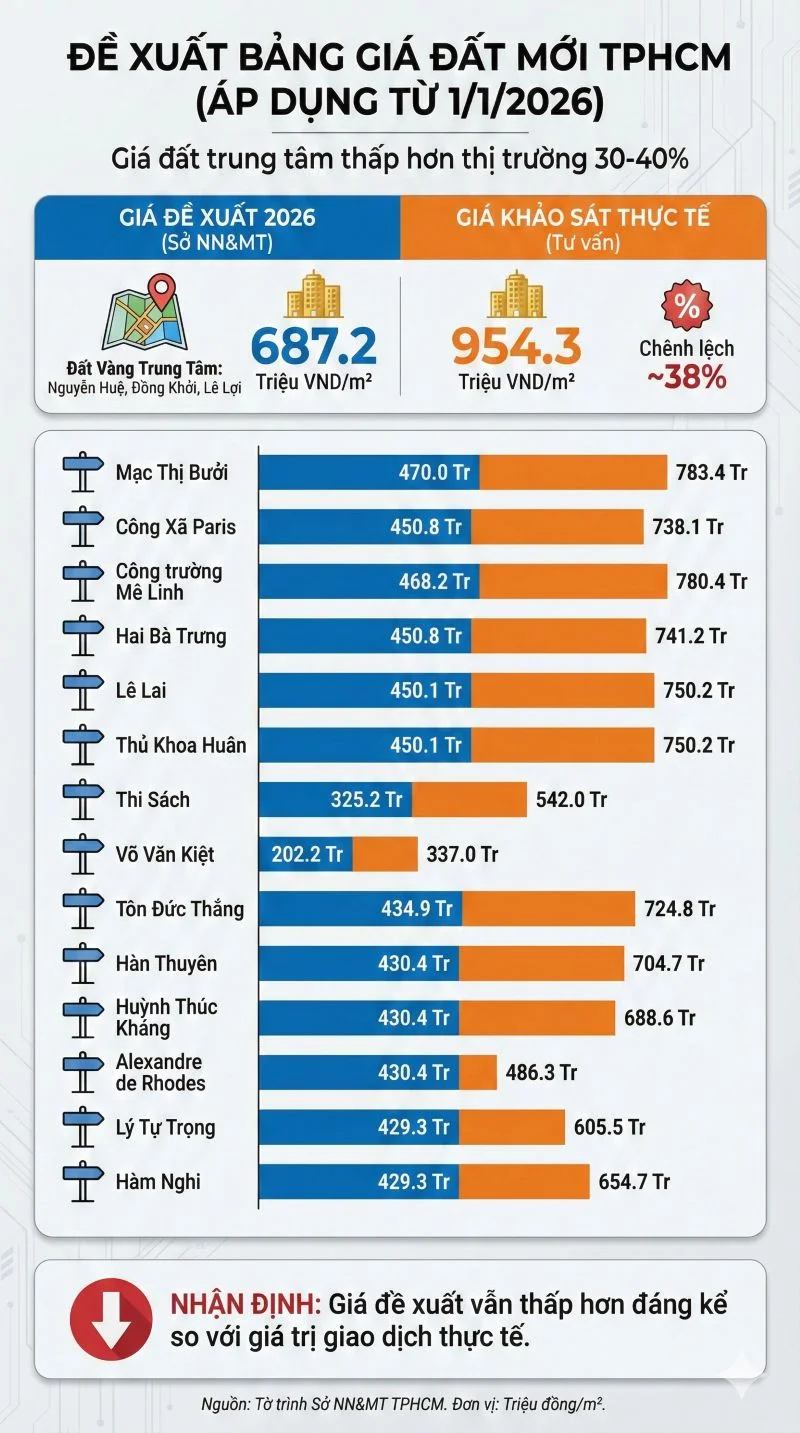
The adjustment of land price lists according to new state regulations is always a sensitive factor with far-reaching implications for numerous real estate segments, particularly the apartment market in Ho Chi Minh City (HCMC). This change not only reflects the true value of land but also acts as a catalyst, or even a barrier, for new project developments, reshaping the pricing landscape for existing properties. This article delves into the specific impacts of the new land price list on apartment values and provides market forecasts for the 2026-2030 cycle, offering discerning readers, especially affluent families and astute investors, a comprehensive perspective for informed investment decisions.
1. New Land Price List HCMC: Legal Basis and Direct Impact
The new land price list, issued under Government Decrees and Circulars from the Ministry of Natural Resources and Environment, is based on market principles and has a defined period of application. This adjustment directly influences the financial costs for developers, subsequently impacting apartment sales prices.
1.1. Basis and Purpose of the New Land Price List
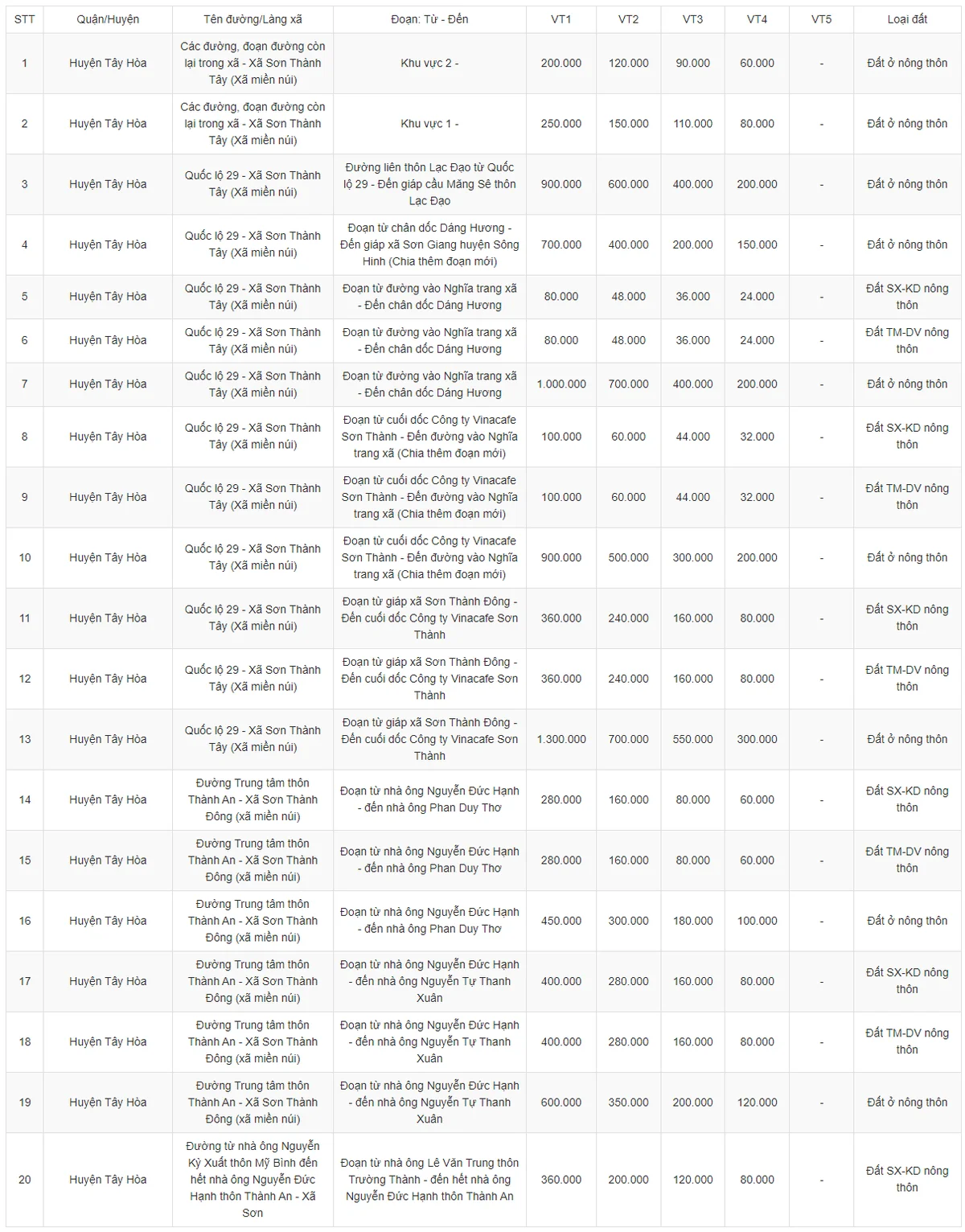
DIRECT ANSWER: The new land price list in HCMC is established based on market principles, utilising methods like land price adjustment coefficients or comparative analysis with market data. Its primary aim is to ensure fairness and transparency in determining land use obligations, including taxes and land use fees, especially for land conversion or allocation, reflecting actual market values and safeguarding state revenue.
The new land price list in HCMC, as per legal regulations, is constructed based on the principle of land valuation using the land price adjustment coefficient method or the comparative method, gathering market information. The main objective is to ensure fairness and transparency in determining the financial obligations of land users, including land use tax, land rent, and especially land use fees when converting land use purposes or when land is allocated or leased. Periodic updates of the land price list (typically every 5 years) aim to more accurately reflect actual market values, prevent state budget losses, and foster a healthier business environment.
1.2. Direct Impact on Project Land Use Fees
DIRECT ANSWER: An increase in the new land price list directly raises the land use fees developers must pay the state for new or legally pending projects. This significant cost component is often passed on to apartment buyers, leading to higher prices for new units compared to those approved under older land price regulations.
When the new land price list increases, the land use fees that developers must pay the State for new projects or projects undergoing legal finalisation will increase accordingly. This cost component often constitutes a substantial portion of the total project development cost. Therefore, the rise in land use fees compels developers to recalculate their financial models, inevitably leading to the transfer of this burden onto apartment sales prices to ensure profitability. This means that for projects of the same location and quality, new apartments will likely be priced higher than those approved under the previous land price list.
1.3. Influence on Secondary Market Valuations
DIRECT ANSWER: While secondary market transactions are driven by supply and demand, the new land price list serves as a crucial reference point. Higher land valuations can positively influence asset perception, potentially boosting overall market prices and facilitating collateral for loans.
The new land price list not only affects developers but also indirectly impacts the value of secondary real estate transactions. Although prices in the secondary market fluctuate based on actual supply and demand, the new land price list acts as an important reference, particularly in determining asset values for bank collateral or calculating personal income tax upon transfer. When land prices are valued higher, the recorded asset value also increases, creating a positive market sentiment and potentially driving up the general price level.
2. Detailed Analysis of Impact on Apartment Prices
The changes in the new land price list will create ripple effects across apartment prices, from newly launched projects to existing properties.
2.1. Increased Input Costs Driving Up Primary Apartment Sales Prices
DIRECT ANSWER: Higher land use fees, a significant component of development costs, directly increase the input costs for developers. This necessitates an upward adjustment in the primary sales prices of new apartments to maintain profit margins, with price increases being more pronounced in areas with substantial land price hikes.
As analysed, land use fees are a crucial component of project development costs. When the new land price list increases, these costs rise, compelling developers to adjust the primary sales prices (initial sales from the developer) to compensate. The extent of this price increase can vary depending on the project’s location, the ratio of land area to built-up floor area, and local government policies. Areas with significant land price increases will experience a more pronounced upward pressure on apartment prices. For instance, a project located in a central district or one with major infrastructure development potential will be more significantly impacted by land price increases on its apartment sales prices.
2.2. Reshaping Secondary Market Pricing and Profit Expectations
DIRECT ANSWER: The new land price list establishes a new benchmark for the secondary market. Investors and resellers will re-evaluate their property values based on these updated figures, potentially leading to higher asking prices that reflect the current market realities and asset appreciation.
For the secondary market, the new land price list creates a new reference price level. Secondary investors, who buy and sell properties, will use these new factors to re-evaluate their assets. If land prices increase significantly, they may expect a corresponding price increase for their apartments, or at least to maintain asset value amidst inflation and rising opportunity costs. This could lead to older apartments, if well-located and legally sound, also being repriced higher, more accurately reflecting their true value in the new context.
2.3. Impact on Housing Affordability
DIRECT ANSWER: Rising apartment prices, driven by increased land costs, can diminish housing accessibility for middle-income earners and young professionals. This may lead them to seek alternative solutions like renting or relocating to more peripheral areas, potentially increasing market segmentation.
The increase in apartment prices due to the impact of the new land price list may reduce housing accessibility for a segment of buyers, particularly those with average incomes or early in their careers. When apartment prices exceed their affordability, they may be forced to seek alternative solutions such as renting, purchasing homes in areas further from the centre, or delaying their home-buying plans. This could create a more pronounced segmentation in the market, with the high-end and luxury segments potentially being less affected due to the financial capacity of their target customer base.
2.4. Analysis of Representative Projects and Price Fluctuations
DIRECT ANSWER: Projects in prime locations like Thu Thiem (e.g., The Metropole) or those with strong underlying land value (e.g., Waterpoint) may see initial price increases reflecting higher land costs. Established developments like Vinhomes Central Park will maintain value due to location and amenities, with future growth influenced by infrastructure and land policies.
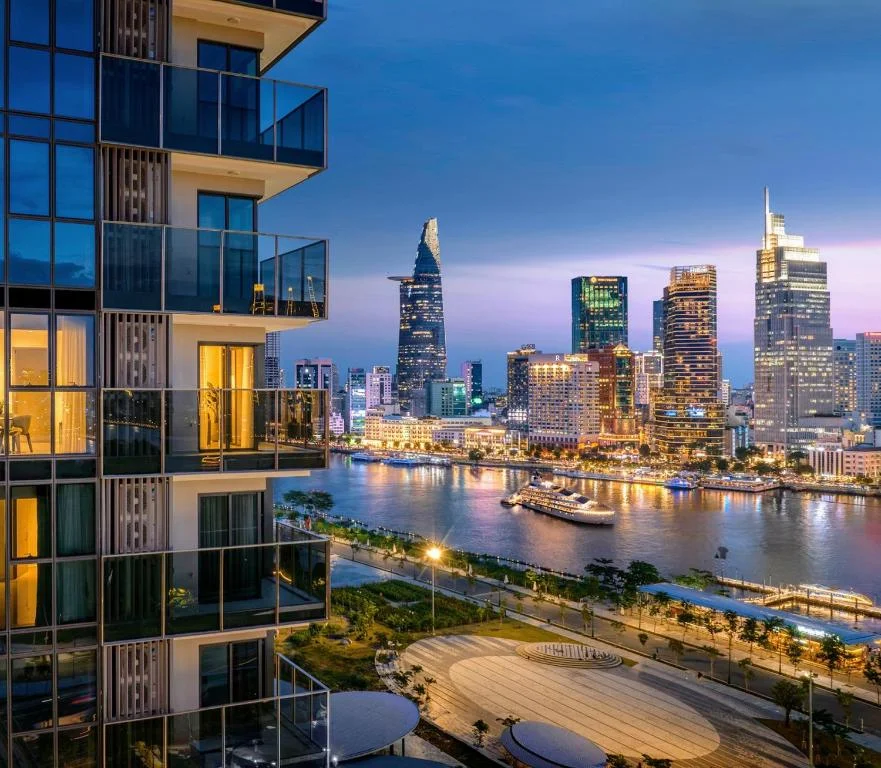
To illustrate further, let us consider some representative projects in HCMC. For example, projects in District 2 (now Thu Duc City) such as The Metropole Thu Thiem or Waterpoint Nam Long (while not entirely central apartments, they involve land plots and housing) may be affected differently. If the new land price list in these areas increases significantly, newly launched projects will have higher starting prices. For completed projects like Vinhomes Central Park, secondary market prices may remain high due to location and existing amenities, but future growth potential will depend on various other factors, including infrastructure development and land policies.
Table 1: Comparison of Apartment Prices in Selected HCMC Areas Before and After New Land Price List Implementation (Estimated)
| Area | Old Land Price (Million VND/m²) | New Land Price (Estimated, Million VND/m²) | Estimated Impact on Primary Apartment Price (%) | Representative Project Example |
|---|---|---|---|---|
| Central (Districts 1, 3) | 150 – 400 | 200 – 550 | 5 – 15% | The Grand Manhattan, Lotte Legend Hotel & Residences |
| East (Thu Duc City) | 50 – 150 | 70 – 200 | 7 – 18% | The Metropole Thu Thiem, Masteri Centre Point |
| West (Binh Tan, Tan Phu Districts) | 30 – 80 | 45 – 120 | 8 – 20% | Akari City, Celadon City |
| South (Districts 7, 8) | 40 – 100 | 60 – 150 | 6 – 17% | Celesta Rise, The Everrich District 8 |
Note: The figures above are for reference only, estimated based on land price adjustment trends and their ripple effect on apartment prices. Actual prices depend on various other project and market factors.
3. Real Estate Cycle Forecast 2026–2030: An Expert Perspective
The real estate cycle from 2026 to 2030 is anticipated to be dynamic, with the new land price list playing a significant role in shaping market trends.
3.1. Upward Land Price Trend and Lasting Impact
DIRECT ANSWER: Given HCMC’s economic growth and urbanisation, land prices are expected to continue rising in future adjustments. This trend, driven by intrinsic land value and infrastructure investment, will influence property prices throughout the 2026-2030 cycle.
Based on HCMC’s economic development and urbanisation trends, the continued upward trajectory of land prices in subsequent adjustment periods is almost inevitable. This price increase not only reflects the intrinsic value of land but also results from investments in transportation infrastructure, public amenities, and regional economic development. Therefore, the impact of the new land price list will not be short-term but will persist, shaping the property price level throughout the 2026-2030 cycle.
3.2. Market Segmentation: High-End vs. Mid-Range
DIRECT ANSWER: Rising input costs are likely to increase market segmentation. High-end and luxury segments may be less affected due to their target clientele’s financial capacity, while mid-range and affordable segments will face greater challenges in maintaining profitability and affordability.
Amidst rising input costs, the apartment market may witness clearer segmentation. The high-end and luxury segments, with already high prices and targeting financially strong customers, might be less impacted by land price increases. Conversely, the mid-range and affordable segments could face greater challenges in maintaining profit margins or keeping prices accessible for buyers. Developers will need to carefully balance price increases with customer retention.
3.3. Role of Infrastructure and Planning in Valuation
DIRECT ANSWER: Long-term property value will increasingly depend on infrastructure and urban planning. Areas with excellent transport connectivity, proximity to amenities, and strategic development plans (e.g., Phu My Hung, areas near Long Thanh Airport) will offer more sustainable capital appreciation.
In the long term, infrastructure and planning will become increasingly crucial in valuing apartments. Areas with good transportation links, proximity to public amenities, schools, hospitals, and especially those designated for new economic and cultural centres will possess more sustainable price appreciation potential, irrespective of land price fluctuations. For example, projects within well-planned new urban areas like Phu My Hung Urban Area (though established, it remains a benchmark) or areas adjacent to Long Thanh International Airport (in the future) will have significant competitive advantages.
3.4. Rental Yields and Investment Returns in the New Cycle
DIRECT ANSWER: With rising apartment prices, rental yields may not keep pace if tenant incomes do not increase proportionally. Investors should focus on realistic returns, considering rental income, occupancy rates, and compound profitability, favouring well-located, amenity-rich, and professionally managed properties.
As apartment prices tend to rise, rental yields may not increase commensurately if tenants’ incomes do not keep pace. This requires investors to have more realistic expectations regarding returns. Instead of solely relying on capital appreciation potential, investors should carefully consider rental income, occupancy rates, and compound returns. Properties in prime locations with full amenities and professional management will offer more stable returns.
Table 2: Forecasted Rental Yields and Capital Appreciation Potential for HCMC Apartments (2026-2030)
| Apartment Type | Location | Estimated Rental Yield (%) | Estimated Capital Appreciation Potential (% per year) | Key Influencing Factors |
|---|---|---|---|---|
| High-End/Luxury | Central, Riverside | 3 – 5% | 8 – 12%/year | Prime location, developer reputation, premium amenities |
| Mid-Range | Developing area, good transport links | 4 – 6% | 6 – 10%/year | Community amenities, area planning, clear legal status |
| Affordable/Value | Outskirts, satellite urban areas | 5 – 7% | 5 – 8%/year | Reasonable pricing, accessibility, future infrastructure potential |
Note: The figures above are forecasts based on market trends and macroeconomic factors. Actual returns may vary depending on economic conditions, policies, and specific project characteristics.
4. Advice for Investors and Owner-Occupiers
In the context of the new land price list significantly impacting the market, investment or home-buying decisions require careful analysis and a long-term vision.
4.1. Prioritise Projects with Clear Legal Status and Construction Progress
DIRECT ANSWER: Amidst market volatility and rising costs, clear legal documentation and assured construction progress are paramount. Selecting reputable developers with proven track records (e.g., Phu My Hung Development) minimises buyer risk and ensures project viability.
Amidst market fluctuations and rising input costs, transparent legal status and assured construction progress are key factors. Projects with complete legal documentation, construction permits, and adherence to construction timelines minimise risks for buyers and investors. Choosing reputable developers with a history of successful projects is essential. For example, projects by Novaland (despite recent challenges, they have successfully handed over many projects) or Phu My Hung Development are consistently highly regarded for their legal compliance and progress.
4.2. Assess Long-Term Growth Potential Based on Infrastructure and Planning
DIRECT ANSWER: Focus on sustainable factors like infrastructure development, new urban area formation, and regional economic potential rather than short-term price fluctuations. Strategically located projects with good connectivity or designated as future city hubs offer superior long-term value appreciation.
Instead of chasing short-term land price fluctuations, investors should focus on sustainable factors such as infrastructure development plans, the establishment of new urban areas, and the economic growth potential of the region. Projects in strategic locations with good connectivity to economic centres, or those designated to become new city hubs, will offer superior long-term value appreciation potential.
4.3. Consider Cash Flow and Rental Yields
DIRECT ANSWER: For investors seeking passive income, evaluating rental yields is crucial. Apartments with strong rental demand, competitive rates, and high occupancy offer stable returns. Thorough market research on rental demand, target tenants (expats, young professionals), and average rental prices is vital for effective investment.
For investors seeking passive income, considering rental yields is extremely important. Apartments with good rental potential, competitive rental rates, and high occupancy rates will generate more stable returns. It is essential to thoroughly research the rental market in the project’s vicinity, the potential tenant base (foreign experts, students, young families…), and the average rental prices to make an effective investment decision.
4.4. Diversify Investment Portfolio
DIRECT ANSWER: Diversifying your investment portfolio across different asset classes, such as industrial or resort real estate, or even financial instruments, is a prudent strategy to mitigate risks and optimise returns in a fluctuating property market.
In a volatile real estate market, diversifying your investment portfolio is a wise strategy. Besides apartments, investors might consider other avenues such as industrial real estate, resort properties, or other financial instruments to mitigate risks and optimise returns.
5. Frequently Asked Questions (FAQ)
5.1. Does the new HCMC land price list increase prices for all property types?
DIRECT ANSWER: The new land price list has a ripple effect across most property types, but the impact varies. For new apartments, it directly increases developers’ land use fees, raising primary sales prices. For land plots and landed properties, it raises transfer costs and taxes, indirectly affecting secondary market prices, though supply, demand, and location remain key.
The new land price list has a ripple effect on most types of real estate, but the degree of impact will differ. For apartments, the most direct impact is on the land use fees for new projects, which in turn pushes up primary sales prices. For land plots, townhouses, and villas, the increase in land prices will also increase transfer costs, land taxes, and indirectly affect transaction prices in the secondary market. However, other factors such as supply and demand, location, amenities, and development potential still play a decisive role in the final value.
5.2. How to identify an apartment project with good capital appreciation potential for 2026-2030?
DIRECT ANSWER: Assess strategic location (connectivity, planned development zones), developer reputation, legal clarity, construction progress, integrated amenities, and future infrastructure potential. A harmonious blend of these factors ensures sustainable capital appreciation.
To identify capital appreciation potential, consider the following factors: strategic location (near the centre, convenient transport links, in a planned development area), developer reputation and capability, transparent and complete legal status, assured construction progress, integrated internal and external amenities, and especially the future infrastructure development potential of the area. A project that harmoniously combines these factors will have sustainable appreciation potential.
5.3. Will HCMC apartment prices continue to rise sharply from 2026-2030?
DIRECT ANSWER: A continued rise in HCMC apartment prices from 2026-2030 is likely, driven by new land prices, construction costs, inflation, and real demand. However, market corrections are possible due to adverse factors or oversupply. Segmentation by segment and location will become more pronounced.
The upward trend in HCMC apartment prices during the 2026-2030 period is likely, but the extent of the increase will depend on various macroeconomic and microeconomic factors. The increase in new land prices, construction costs, inflation, and actual housing demand will be the main drivers. However, the market may also experience corrections or stagnation if adverse factors emerge, or if new supply is introduced excessively. The segmentation between different segments and areas will become increasingly evident.
5.4. Should investors prioritise buying apartments for self-occupation or rental investment currently?
DIRECT ANSWER: This depends on individual goals and financial capacity. For stable cash flow, rental investment in well-located apartments with good yields is advisable. For long-term capital growth, acquiring properties in high-potential areas, even with initially lower yields, is a viable strategy. Diversification often yields the best results.
This decision depends on the individual investor’s goals and financial capacity. If prioritising stable cash flow and lower risk, investing in rentals with good rental yields and convenient locations is a reasonable choice. If expecting long-term asset value appreciation and possessing strong financial capacity, owning apartments in areas with strong development potential, even if the initial rental yield is not high, is also a strategy worth considering. However, combining both factors in a diversified investment portfolio often yields the best results.
5.5. Is the impact of the new land price list still significant for handed-over projects?
DIRECT ANSWER: For completed projects with full legal compliance, the direct impact on development costs is negligible. However, it indirectly affects secondary market valuations. Higher land prices lead to higher asset valuations, influencing collateral and transfer tax calculations, and setting a new market benchmark for well-located, quality properties.
For projects that have been handed over and have complete legal status, the direct impact of the new land price list on development costs is no longer present. However, it still has an indirect impact on asset valuation in the secondary market. As land prices increase, the recorded asset value increases, which can affect valuations for bank collateral or when calculating transfer taxes. More importantly, it establishes a new price benchmark for the market, allowing well-located and high-quality handed-over apartments to be repriced higher, more accurately reflecting their true value in the new context.

NALUX Urban Research & Development Division
A dedicated team of market data analysts, biophilic architects, and luxury real estate legal appraisers at NALUX Development Corporation. All insights and forecasts are founded on verified master planning data and independent field audits.